The Tour du Mont Blanc (TMB) is one of the most iconic long-distance trekking routes in Europe, circling the Mont Blanc massif and crossing through three countries: France, Italy, and Switzerland. For nature enthusiasts, experienced trekkers, and adventure seekers alike, the TMB offers a breathtaking journey filled with alpine landscapes, cultural encounters, and physical challenges.
This in-depth guide will walk you through everything you need to know about trekking the TMB from the route itself to the gear you need, how technology enhances the experience, practical benefits, real-world examples, and use cases.
What is the Tour du Mont Blanc (TMB)?

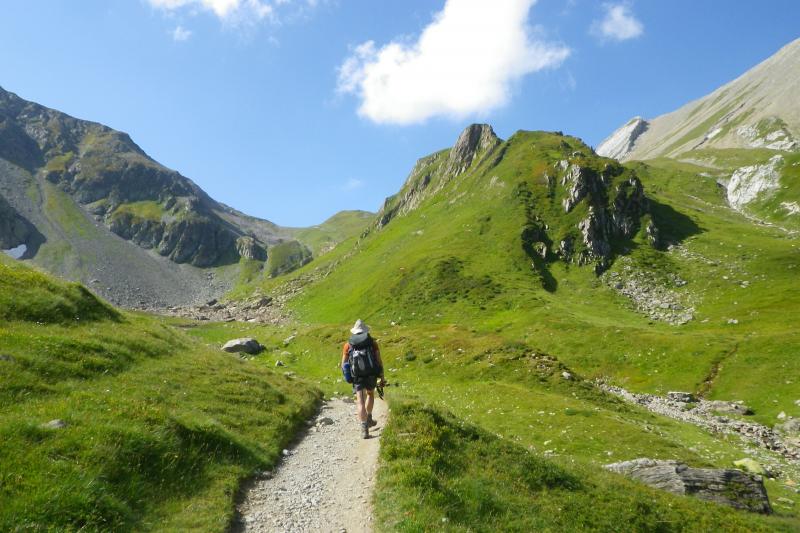
Trekking TMB refers to hiking the 170-kilometer (105-mile) circular trail that circumnavigates Mont Blanc, Western Europe’s highest peak at 4,808 meters. The trek passes through spectacular terrain including glacial valleys, alpine meadows, pine forests, and high mountain passes.
Trekkers generally take 8–12 days to complete the circuit, depending on pace, weather, and route variations. The traditional route starts in Les Houches, France, and proceeds counter-clockwise through Courmayeur (Italy), La Fouly and Champex-Lac (Switzerland), before returning to Chamonix Valley.
The TMB is suitable for seasoned trekkers but also accessible to fit beginners who are well-prepared. You can hike independently or join guided tours, and you’ll find accommodations ranging from mountain huts (refuges) to boutique chalets.
Key Sections and Highlights of the TMB Route

The trek is typically broken into 11 stages, each offering its unique scenery and challenges. Here are some of the major highlights:
Les Contamines to Refuge de la Croix du Bonhomme (France):
This segment climbs through pine forests and open alpine slopes. It’s one of the most picturesque starts to the trek, and the Col du Bonhomme offers panoramic views of the French Alps.
Courmayeur to Rifugio Bonatti (Italy):
After crossing into Italy via the Grand Col Ferret, you’ll encounter sweeping views of the Italian face of Mont Blanc. The descent into Courmayeur offers some of the best photo opportunities.
Champex-Lac to Trient (Switzerland):
This Swiss segment provides an alpine village experience. The peaceful scenery and refined mountain huts make this leg of the trek both comfortable and beautiful.
Each country section has its own flair: France with rugged terrain, Italy with dramatic peaks and excellent food, and Switzerland with postcard-perfect alpine villages.
How Technology Enhances the TMB Trekking Experience
Modern trekking is deeply enhanced by technology. Here are some ways it improves the TMB experience:
Navigation Apps & GPS Devices:
Apps like Gaia GPS, Komoot, and AllTrails allow trekkers to access offline maps and real-time trail conditions. With GPS-enabled watches and smartphones, it’s easier than ever to stay on track, especially in fog or when signage is unclear.
Weather Forecasting Tools:
Tools like MeteoSwiss or Yr.no provide localized mountain weather forecasts, helping trekkers plan rest days and avoid storms. Unexpected snow or rainfall at high passes can be dangerous, so reliable forecasting is a major safety enhancement.
Performance Monitoring:
Smartwatches from brands like Garmin and Suunto track elevation gain, heart rate, and pacing. This is especially useful for managing energy across multi-day efforts and staying within safe exertion zones.
Communication Tools:
Satellite messengers such as Garmin inReach or Zoleo allow for SOS functionality and text communication even in remote valleys where there is no cellular signal—an essential for solo trekkers or those in emergencies.
Real-World Example Products and Use Cases
Garmin Fenix 7 Smartwatch
The Garmin Fenix 7 is a top-tier GPS smartwatch used by serious trekkers. It offers topographic maps, real-time performance tracking, and up to 18 days of battery life. On the TMB, this is ideal for navigating trails without pulling out your phone, keeping track of ascent, and even estimating arrival times at huts.
Relevance: On the steep climbs and exposed passes of the TMB, the Garmin Fenix ensures you’re pacing well and staying on route. Its altimeter and barometer also help detect changing weather conditions.
Osprey Atmos AG 65 Backpack
This backpack is a favorite among long-distance trekkers for its Anti-Gravity suspension system, which distributes weight effectively. With its capacity and comfort, it’s suitable for self-supported TMB trekkers who need to carry clothing, food, and camping gear.
Relevance: On a multi-day trek like the TMB, carrying a heavy load becomes easier with ergonomic design and breathability—both of which this pack excels in.
Zamberlan Vioz GTX Hiking Boots
These boots are waterproof, breathable, and designed for alpine terrain. With high ankle support and Vibram soles, they provide traction on slippery rocks and snow-covered passes.
Relevance: The TMB route includes wet meadows, gravelly ascents, and occasional snowfields—making sturdy boots with waterproof membranes essential.
Black Diamond Trail Ergo Cork Trekking Poles
These lightweight yet durable poles reduce knee strain and provide stability on descents. Their cork handles adapt to hand shape and prevent blisters over long distances.
Relevance: Trekking poles significantly reduce fatigue on long descents like the drop into Les Chapieux or Trient.
Sawyer Squeeze Water Filter
The Sawyer Squeeze system allows trekkers to filter water from streams and rivers safely. Lightweight and compact, it’s ideal for filling up on the go between mountain huts.
Relevance: The TMB has natural water sources, but drinking untreated water is risky. A filter lets you avoid carrying excessive bottled water weight while staying hydrated.
Practical Benefits of Trekking TMB

Physical and Mental Challenge:
The TMB tests physical stamina and resilience, making it a rewarding experience for those who complete it. The diverse terrain ensures that both beginners and experienced trekkers find it engaging.
Cultural Immersion:
Unlike remote wilderness treks, the TMB passes through small towns and alpine villages where you can experience French, Italian, and Swiss cultures, cuisine, and hospitality in one trip.
Accessible Adventure:
Although it’s physically demanding, the TMB doesn’t require technical climbing skills or mountaineering gear, making it accessible for regular hikers who prepare adequately.
Personal Growth and Connection to Nature:
The solitude of alpine passes, coupled with breathtaking scenery, creates space for self-reflection and a deep connection to nature—often cited as one of the trek’s most transformative aspects.
Real-Life Use Cases and Problem-Solving Scenarios
Avoiding Altitude Issues:
While the TMB doesn’t reach extreme altitudes like the Himalayas, some passes rise above 2,500 meters. GPS tools and health trackers help monitor oxygen levels and heart rate to avoid altitude sickness.
Weather-Related Risks:
Trekkers often face unexpected storms or snow. Reliable gear and up-to-date weather technology can prevent dangerous scenarios by allowing rerouting or delaying a segment.
Time and Resource Planning:
Navigation apps help identify rest stops, accommodations, and food resupply points. This makes it possible to plan efficiently and avoid running out of supplies in remote areas.
Solo Trekking Support:
For those trekking alone, emergency beacons and satellite messengers offer peace of mind, ensuring help can be summoned in case of injury or unexpected conditions.
Frequently Asked Questions (FAQ)
1. How difficult is trekking the Tour du Mont Blanc?
The TMB is considered moderately difficult. While it doesn’t require technical climbing skills, it demands good physical fitness due to its elevation changes and long daily distances. Most people hike it over 8–12 days, with daily treks ranging between 10–20 kilometers.
2. Can you trek the TMB without a guide?
Yes, many people complete the TMB independently. The trail is well-marked, and with GPS apps and guidebooks, navigation is manageable. However, joining a guided group can add safety and convenience, especially for first-timers in alpine environments.
3. When is the best time to trek the TMB?
The best season is from late June to mid-September. Earlier in June, snow may still cover higher passes. July and August offer the best weather but also attract the most trekkers. September brings fewer crowds and cooler temperatures, but shorter daylight.