Traveling across Europe by train is a dream for many, and the Interrail Pass makes that dream accessible. However, while the pass itself opens doors to nearly every train network on the continent, many travelers find themselves puzzled about Interrail reservations. This article will guide you through everything you need to know about reservation Interrail, offering deep insights, real-world examples, benefits, and practical use cases to ensure you travel smarter and stress-free.
What Is Reservation Interrail?

When using an Interrail Pass, you’re granted access to a wide network of trains across Europe, but that doesn’t always mean you can just hop on any train. Some high-speed and international trains require seat reservations, which are separate from the pass itself.
Reservation Interrail refers to the process of reserving a seat on certain trains when you’re traveling with an Interrail Pass. While many regional trains allow pass holders to board freely, others, like TGV in France or Eurostar from London to Paris, require a mandatory reservation for an additional fee.
These reservations ensure a guaranteed seat, and in some cases, they are required for logistical or security reasons. Navigating which routes require a reservation and how to make them is crucial for a smooth journey.
Why Some Trains Require Interrail Reservations
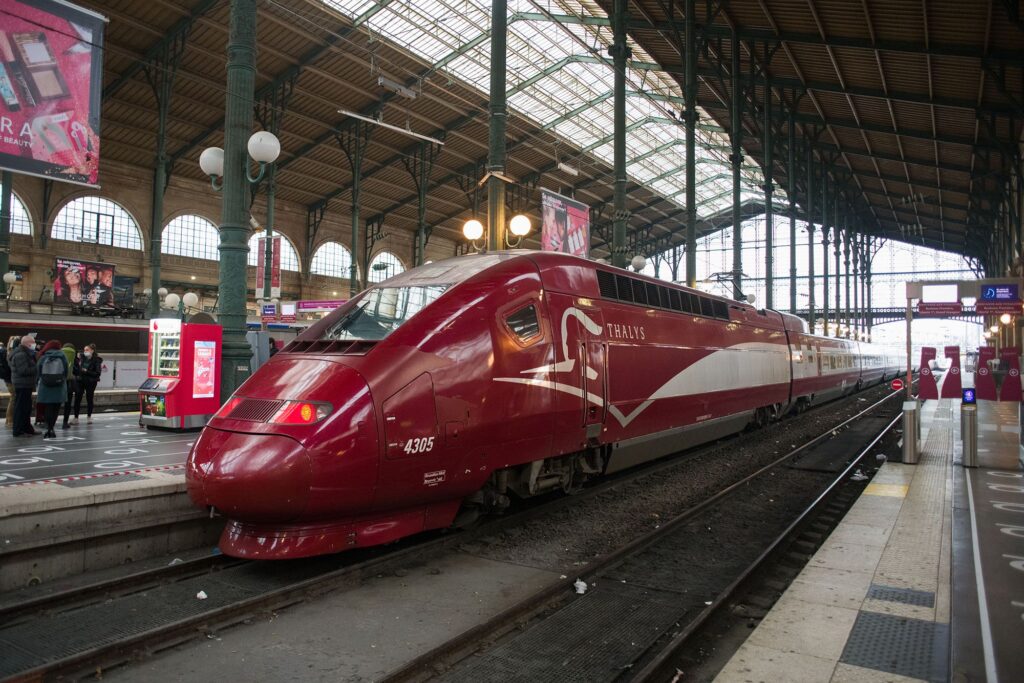
Trains that require reservations are usually:
- High-speed trains (e.g., TGV, AVE, Thalys)
- Overnight trains with sleeping compartments
- International connections (e.g., Eurostar, ICE international routes)
These trains often operate under tighter capacity constraints and offer premium services. Reservations ensure that rail operators manage passenger loads, maintain comfort, and uphold service levels, especially during peak travel times.
Without a reservation, you may be denied boarding even if you have a valid Interrail Pass. Therefore, understanding which trains require this extra step is key to planning.
How Interrail Seat Reservation Systems Work
When traveling with an Interrail Pass, seat reservations are not automatically included. There are different ways you can make reservations:
- Through the Interrail official website
- Via local rail operators’ websites or stations
- Using rail apps like Rail Planner
Each method may have different fees, availability, and booking windows. While some reservations can be made digitally, others may only be possible in person or via mail delivery, especially for night trains or lesser-known international connections.
Planning is critical, especially for popular routes, as reservation seats can sell out.
Real-World Examples of Interrail Reservation Scenarios
Paris to Amsterdam via Thalys
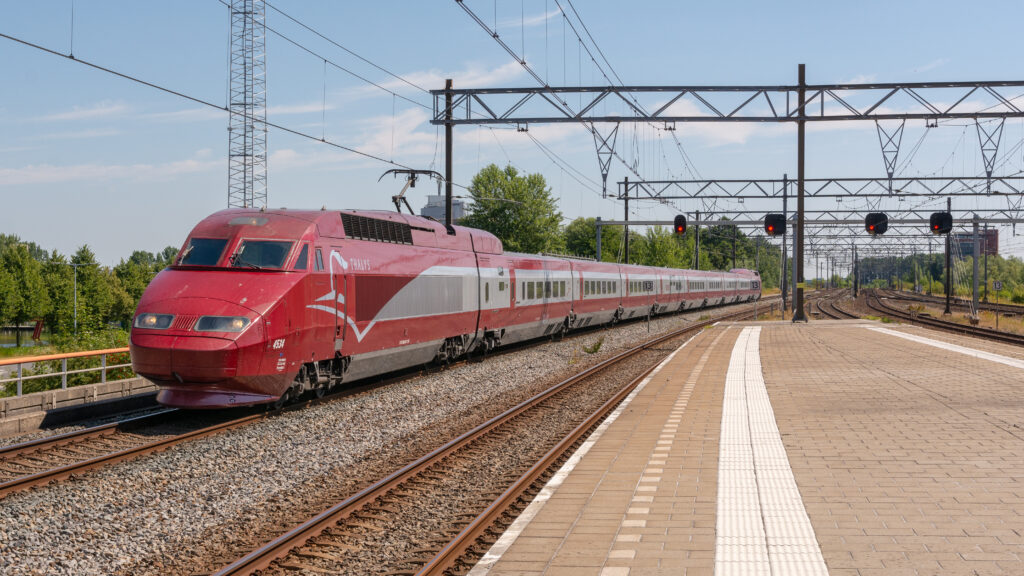
Thalys is a high-speed train connecting France, Belgium, the Netherlands, and Germany. If you’re planning to travel from Paris to Amsterdam, a reservation is mandatory even if you have an Interrail Pass.
- Reservations typically cost around €25–€30.
- Can be booked online through the Interrail or Thalys websites.
- Offers fast travel (under 3.5 hours), making it a popular route.
This scenario demonstrates the necessity of planning ahead, as last-minute reservations are often unavailable on popular routes like Thalys.
London to Paris via Eurostar
Eurostar is the premier service connecting London to mainland Europe. With limited seats allocated to Interrail Pass holders, you must reserve well in advance.
- Reservation cost ranges from €30 to €38.
- Seats for pass holders are capped, especially during holidays.
- Booking opens 3–6 months in advance.
Failing to secure a reservation on Eurostar can derail your entire itinerary, making it a prime example of strategic planning.
Overnight Train from Vienna to Venice
For travelers maximizing time, overnight trains like the Nightjet from Vienna to Venice are a smart choice. However, they always require reservations, especially for sleepers or couchettes.
- Reservation costs vary by comfort level: €14–€50.
- Allows you to save on accommodation costs.
- Offers the experience of waking up in a new city.
Night trains combine transportation and lodging, so reservations are not just practical they’re essential.
Regional Trains in Italy
Italy’s regional trains often don’t require reservations. However, some Intercity and high-speed trains like Frecciarossa do.
- Regional trains allow flexibility and no added fees.
- Frecciarossa requires reservations, costing about €10.
- Useful for spontaneous travel days or shorter hops.
Understanding which Italian trains need reservations allows you to build both flexible and fixed parts into your travel plan.
Germany’s ICE Trains
The German InterCity Express (ICE) system offers high-speed travel across Germany and neighboring countries. While reservations are optional, they’re highly recommended.
- Optional reservations cost about €4.
- Beneficial during busy times to ensure a seat.
- Easily reserved online or via kiosks.
Germany showcases how an Interrail reservation isn’t always mandatory but adds value for comfort and certainty.
Benefits of Reservation Interrail: Technology Meets Convenience
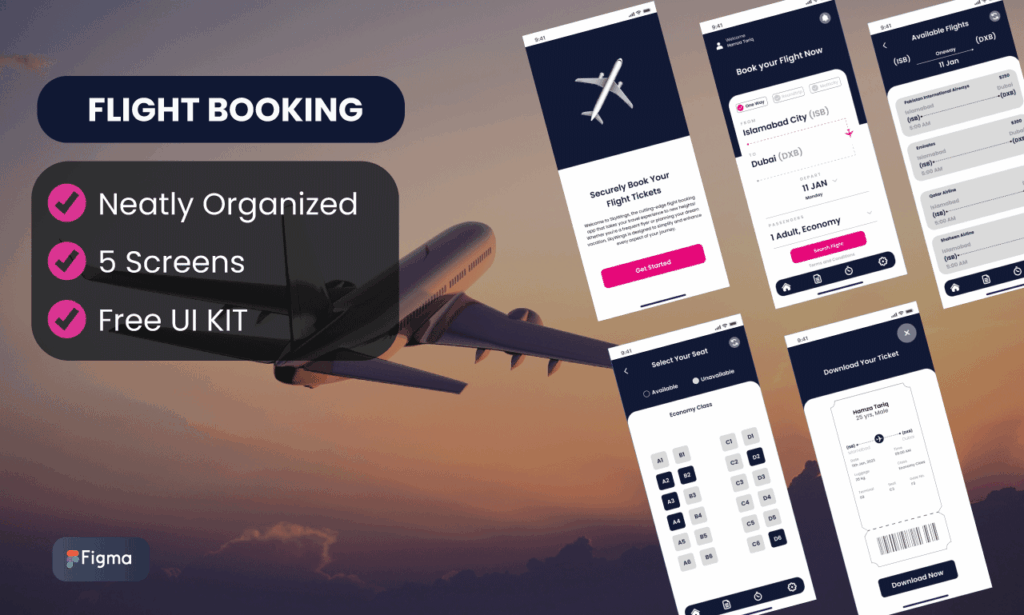
Thanks to digital tools, making Interrail reservations has become easier and more accessible. Here are the top benefits of embracing reservation systems:
Guarantee of a Seat
When trains are full, having a reservation means you won’t have to stand or miss your train. This is especially important for long-distance or overnight journeys.
Better Travel Planning
With set reservations, you can coordinate accommodations, tours, or transfers with greater precision. It adds reliability to otherwise flexible itineraries.
Peace of Mind with Apps
Apps like the Interrail Rail Planner offer real-time reservation options, alerts about required reservations, and reminders. This reduces anxiety and errors.
Multilingual Support
Digital platforms now offer multilingual interfaces, removing barriers for non-native speakers. Booking reservations in English, French, or German is seamless.
Reduced Paper Usage
Many reservations now offer mobile tickets, contributing to sustainable travel. You don’t need to print anything, just show your smartphone.
How Reservation Interrail Solves Real-Life Travel Challenges
Solving Overcrowded Trains

During peak seasons like summer or holidays, even regional trains become packed. Interrail reservations give you a stress-free experience, especially on high-demand routes.
Saving Time on Transfers
Booking high-speed reserved trains allows for fewer transfers and shorter travel times, making your journey smoother, especially when connecting cities across borders.
Budget-Conscious Planning
By choosing when to reserve and when to use unreserved trains, you can optimize your budget, reserving only when essential and avoiding unnecessary fees.
Efficient Multi-Country Travel
In a single day, you might cross multiple countries, say, Munich to Zurich to Milan. Reservations on key legs ensure you stay on schedule and meet hotel check-ins or tours.
Group Travel Coordination
When traveling with family or friends, reservations help keep everyone seated together. This is crucial for communication, safety, and enjoyment during long trips.
Frequently Asked Questions (FAQ)
1. Do all trains in Europe require a reservation with an Interrail Pass?
No, many regional and slower trains do not require reservations and can be boarded freely with an Interrail Pass. However, high-speed, night, and international trains often do require a seat reservation, which must be made in advance.
2. What happens if I board a train that requires a reservation but I don’t have one?
If you board a reservation-required train without a valid reservation, you may be fined or asked to leave the train at the next stop. In some cases, conductors allow on-the-spot reservations, but this is not guaranteed.
3. Can I cancel or change an Interrail seat reservation?
This depends on the train operator and the reservation method used. Some reservations are refundable or changeable with a fee, while others are non-refundable. Always check the terms during booking.