SNCF TGV (Train à Grande Vitesse) represents one of the most advanced high-speed rail systems in the world, operated by France’s national railway company. For decades, TGV trains have served as a cornerstone of efficient, comfortable, and fast transportation across France and into neighboring countries. The demand for SNCF TGV tickets is a direct reflection of the system’s popularity among both tourists and daily commuters.
Understanding how TGV tickets work their types, how they benefit users, and what problems they solve can enhance the travel experience for both new and experienced travelers. This article explores the TGV ticketing system in depth, real-life scenarios, and how technological advancement has transformed train travel.
Understanding SNCF TGV Tickets
The Structure of TGV Ticketing

SNCF TGV tickets are highly structured to cater to a wide variety of travel needs. These tickets are typically divided by travel class (1st or 2nd class), ticket type (flexible, semi-flexible, non-flexible), and the time of purchase (early bird, last-minute, etc.).
A flexible ticket allows travelers to change or cancel their journey with little or no fees, while non-flexible tickets are more affordable but come with restrictions. The variety in options makes TGV tickets suitable for both budget-conscious travelers and those seeking flexibility.
Digital vs. Paper Tickets
With technological integration, SNCF offers both traditional paper tickets and modern e-tickets (billet électronique). E-tickets can be accessed through the SNCF app or emailed to the user, enabling convenient check-ins using mobile devices. This has significantly enhanced the travel experience by removing the need to print tickets or queue at kiosks.
How TGV Tickets Work for Different Travel Needs
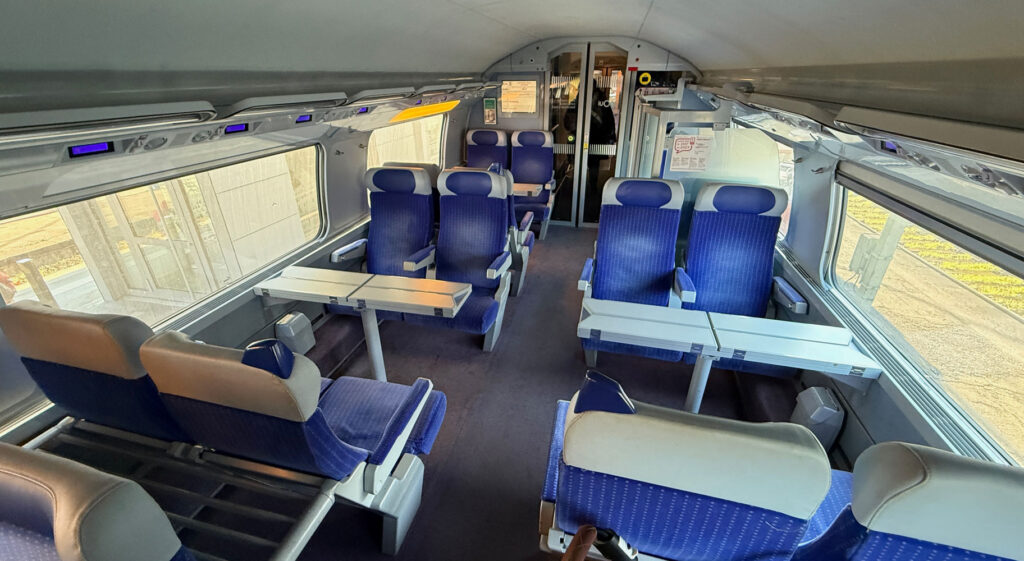
TGV tickets serve a wide range of purposes, from leisurely European vacations to corporate travel or regional commutes. Here’s a closer look at how these tickets function depending on travel intent:
- Business Travel: Business professionals prefer flexible tickets and first-class seating, which offer peace, power sockets, and more legroom.
- Tourism: Tourists benefit from affordable pre-booked tickets that allow them to travel between iconic destinations like Paris, Lyon, Marseille, and Bordeaux with speed and comfort.
- Local Commuting: Although primarily designed for long-distance travel, TGV lines that stop in suburban areas help commuters reduce travel time.
Whether for speed, comfort, or environmental friendliness, the TGV system has embedded itself into France’s transportation infrastructure as a key mobility solution.
Real-World Examples of TGV Use Cases
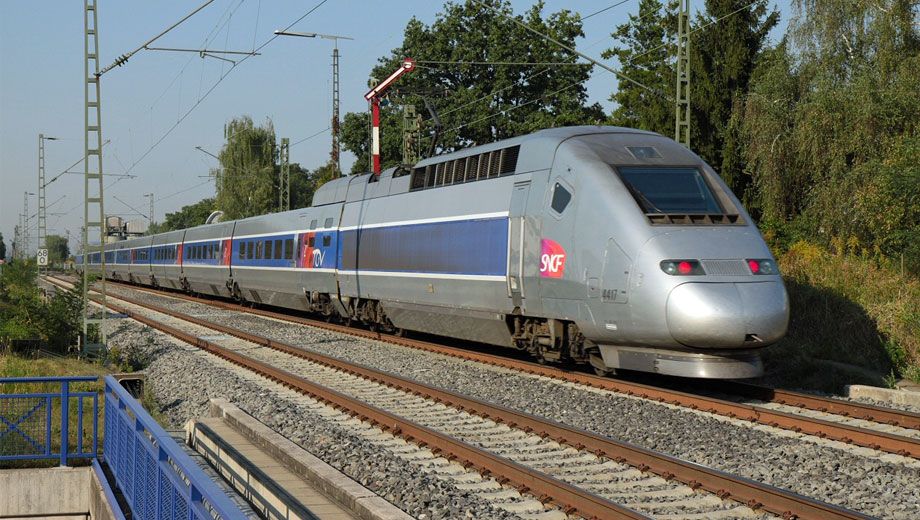
1. Paris to Lyon – Business and Tourism Hub
This route is one of the busiest in the SNCF network and a perfect example of the value offered by TGV tickets. Business professionals frequently make same-day return trips between these two economic centers.
Tourists visiting Lyon also benefit greatly. Early bookings make this a cost-effective way to explore France’s culinary capital. TGV tickets for this route come with multiple pricing tiers and classes, giving users wide flexibility.
2. TGV Duplex – Ideal for Families and Group Travelers
The TGV Duplex, with its two-level carriages, offers an entirely different travel experience. These trains are particularly popular with families or groups who want scenic views and more seating space. TGV Duplex trains operate on several routes, such as Paris to Avignon, where group travelers can enjoy countryside views from the upper deck.
These trains allow passengers to choose seats strategically like quiet zones or family compartments adding comfort beyond mere travel.
3. TGV InOui – The Premium Option
TGV InOui is SNCF’s premium high-speed service, offering more space, quieter cabins, and advanced onboard services. These tickets are ideal for frequent flyers transitioning to rail travel, particularly on cross-border routes such as Paris to Geneva or Paris to Brussels.
With onboard Wi-Fi, electrical outlets, and catering services, InOui aims to create a business-class rail experience, making it suitable for high-level corporate travel or luxury leisure trips.
4. Intercity Comparison – TGV vs. Intercités
Although Intercités also operates within France, travelers consistently choose TGV tickets due to faster travel times and more modern amenities. For example, the Bordeaux to Paris route by Intercités takes significantly longer than the TGV, which completes the journey in approximately 2 hours.
Users willing to pay a slight premium for TGV tickets benefit from quicker service, greater reliability, and access to more departure times.
5. TGV International – France to Neighboring Countries
SNCF TGV tickets also cover international routes, such as:
- Paris to Brussels (TGV or Thalys-operated)
- Paris to Geneva
- Paris to Barcelona
These tickets solve the common problem of expensive short-haul flights. TGV offers a greener and more time-efficient alternative, especially when factoring in airport security and check-in times.
Benefits of Using TGV Ticketing Technology
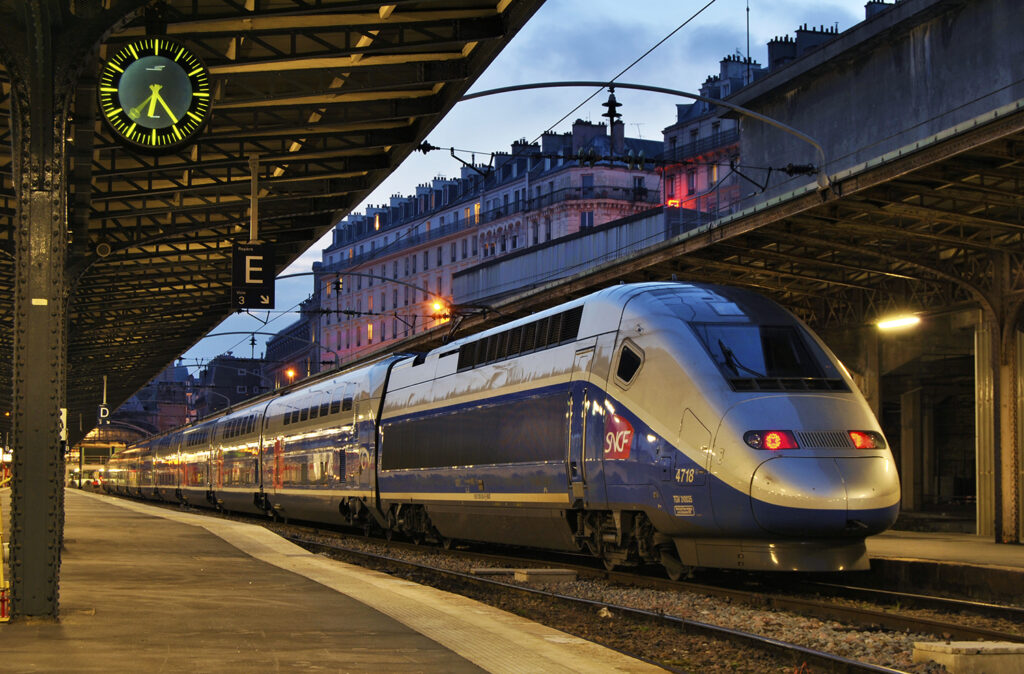
Streamlined Digital Booking Process
SNCF’s online booking platform and mobile app have made it easier than ever to purchase, manage, and modify TGV tickets. Travelers can view live train status, select seats, and receive alerts, enhancing their journey from start to finish.
Environmental Sustainability
Traveling by TGV emits far fewer greenhouse gases compared to air travel or driving. SNCF has also invested in energy-efficient train models and uses mostly electric lines powered by renewable sources.
Enhanced Comfort and Flexibility
From air-conditioned cabins to reclining seats and power outlets, TGV tickets unlock a level of comfort rarely matched in other public transportation methods.
Use Cases: Real-World Problems Solved by TGV Tickets
Eliminating Time Loss on Intercity Business Travel
In today’s fast-paced economy, time is a precious commodity, especially for professionals who need to attend meetings or conferences in multiple cities. France’s major economic centers — Paris, Lyon, Marseille, Lille — are all linked by TGV routes. A trip that might take 5 to 7 hours by car or up to 4 hours by regional train can be completed in 2 hours or less via TGV.
For instance, a businessperson commuting between Paris and Lyon can complete a round trip in the same day with ample time for meetings. TGV tickets, especially the flexible fare class, make this possible by offering:
-
Multiple departure times
-
Shorter boarding procedures than air travel
-
Quiet carriages ideal for working en route
Offering a Reliable Alternative During Airline Disruptions
Flight delays, cancellations due to weather, air traffic strikes, or technical issues are common challenges in air travel. TGV tickets provide a dependable alternative when flights between cities like Paris, Bordeaux, or Brussels are disrupted.
Unlike air travel, which requires early check-in, long security lines, and baggage limitations, TGV trains allow boarding just minutes before departure and have generous luggage policies. This makes TGV the go-to backup option for:
-
Passengers rebooking after cancelled flights
-
Travelers on tight schedules
-
Families with luggage-heavy itineraries
With over 50 daily departures on certain routes, such as Paris to Lille, travelers rarely have to wait long to get a seat.
Solving Language Barrier Issues for Tourists
International tourists often find navigating foreign transportation systems overwhelming. TGV tickets particularly when booked through SNCF’s multilingual website or app simplify the process by:
-
Offering booking interfaces in English, Spanish, German, and other languages
-
Sending e-tickets directly to mobile devices
-
Using QR code-based boarding the need for physical tickets or staff interactions
This makes TGV an ideal travel option for tourists visiting France without strong local language skills. Travelers can move from Paris to major destinations like Avignon or Strasbourg with little logistical friction.
Making Daily Commuting from Secondary Cities to Urban Centers Viable
Inhabitants of smaller cities such as Le Mans, Reims, or Tours often commute to Paris for work or education. TGV tickets have made this a practical option. These routes offer:
-
Early morning departures allow workers to reach Paris before 9 AM
-
Evening returns that enable a full day in the city
-
Subscription or frequent traveler programs to reduce the cost for regular use
This use case solves multiple problems:
-
Reduces urban housing pressure by allowing people to live outside major cities
-
Encourages decentralization by making smaller cities more livable
-
Cuts individual carbon footprints by reducing dependence on cars
Supporting Emergency and Last-Minute Travel Needs
Life is unpredictable. Family emergencies, sudden professional obligations, or personal crises often require immediate travel. TGV’s frequent scheduling, instant ticket issuance, and high-speed service make it the fastest and most accessible ground travel solution in France.
With flexible fare options, travelers can:
-
Book and board a train within an hour
-
Modify or cancel tickets without penalty (depending on class)
-
Use mobile ticketing to bypass station lines
This capability is particularly helpful for:
-
Students needing to return home
-
Medical professionals traveling to different hospitals
-
Individuals dealing with unplanned personal situations
Reducing Environmental Impact for Conscious Travelers
With rising awareness of climate change, travelers are seeking eco-friendlier transport options. TGV tickets offer a way to cut down on greenhouse gas emissions without sacrificing speed or comfort. For example:
-
A TGV ride from Paris to Marseille emits nearly 90% less CO₂ than a domestic flight
-
Trains run on electricity, increasingly sourced from renewable energy
This use case appeals to:
-
Eco-conscious tourists
-
Businesses with sustainability mandates
-
Event organizers are minimizing attendee carbon footprints
Enabling Smooth Cross-Border Mobility in the Schengen Zone
TGV tickets are not limited to domestic routes. They facilitate efficient international travel, connecting France to Switzerland, Belgium, Germany, and Spain without the hassle of airport customs or long queues.
Use cases include:
-
Business meetings in Brussels or Geneva from Paris
-
Tourism travel to Barcelona without flying
-
Academic exchanges between French and Swiss institutions
TGV tickets provide an elegant cross-border solution, aligned with the freedom-of-movement ethos of the European Union.
Frequently Asked Questions (FAQ)
1. Are TGV tickets valid across all types of SNCF trains?
No, TGV tickets are valid only for designated TGV routes and trains. They cannot be used for TER (regional) or Intercités trains unless specifically stated in the ticket conditions.
2. What happens if I miss my TGV train?
Depending on the ticket type (e.g., flexible or semi-flexible), you may be eligible for a refund or be allowed to board the next train at no extra cost. Always check the fare conditions before travel.
3. Is there a difference between TGV and TGV InOui tickets?
Yes, TGV InOui is a premium version of TGV, offering enhanced services, newer trains, and additional comfort features. TGV InOui tickets are generally priced higher than standard TGV tickets.