Tucked away in Southeast Sulawesi, Indonesia, Wakatobi Resort stands as a beacon of pristine marine ecology, luxurious sustainability, and unparalleled diving experiences. Often regarded as one of the world’s best dive resorts, Wakatobi is part of the Wakatobi National Park, home to more than 750 coral species and 942 species of fish. What sets it apart is not only the biodiversity but also the resort’s commitment to conservation and high-end, eco-conscious travel.
Let’s dive deeper into what makes Wakatobi Resort a global attraction for divers, marine biologists, and eco-travelers alike.
Where is Wakatobi Resort, and Why is It So Special?

Wakatobi Resort is located in the Wakatobi archipelago, comprising four main islands: Wangi-Wangi, Kaledupa, Tomia, and Binongko. The resort sits on Tomia Island, offering exclusive access to some of the most biodiverse coral reefs in the world.
Wakatobi’s remoteness is part of its appeal. Accessible via private charter from Bali, the resort offers a sanctuary far removed from over-tourism and reef damage. Its protected house reef, just meters from guest villas, provides unmatched snorkeling and diving right off the beach.
What makes Wakatobi unique isn’t just its location; it’s the result of decades of conservation work, local partnership programs, and intelligent eco-luxury planning that harmonizes with the environment rather than disrupting it.
Marine Biodiversity: The Heart of Wakatobi
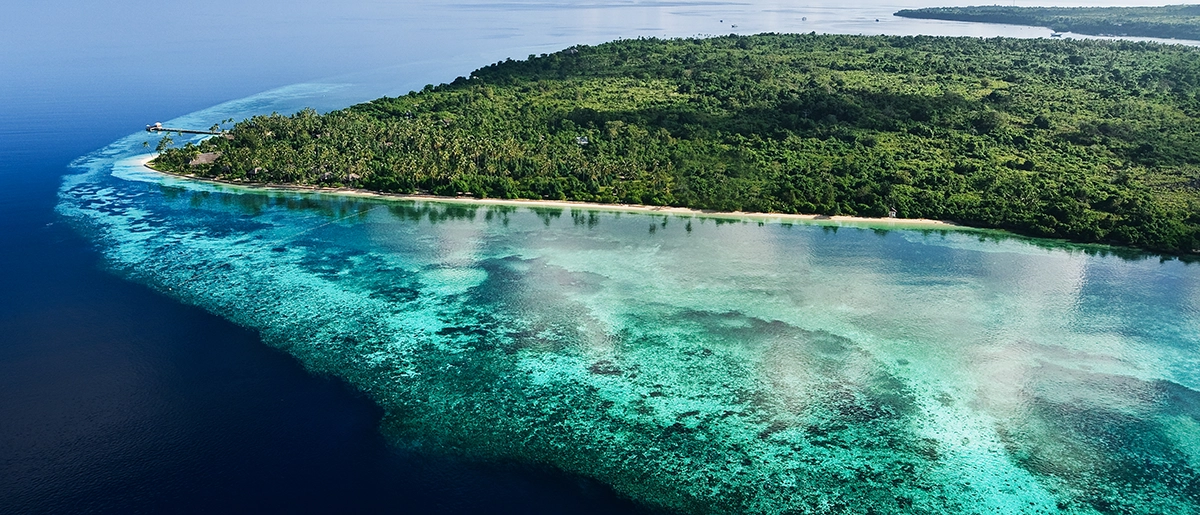
Wakatobi sits within the Coral Triangle, the global epicenter of marine biodiversity. The waters surrounding the resort are teeming with life, home to nearly 1000 species of reef fish and hundreds of coral types. Some of the key highlights include:
- Coral Gardens: Healthy, vibrant coral ecosystems featuring everything from giant brain corals to delicate sea fans.
- Rare Marine Species: Pygmy seahorses, ornate ghost pipefish, and blue-ringed octopus es often spotted by divers.
- Diverse Ecosystems: From steep drop-offs and sea mounts to calm lagoons, the underwater topography offers something for every level of diver.
The resort’s dive guides are skilled in helping guests spot rare creatures, making each dive or snorkel session feel like a guided nature expedition.
Use Cases: Real-Life Scenarios Where Wakatobi Resort Excels

1. Marine Research Expeditions
Many marine scientists and researchers choose Wakatobi as their field base due to the health of its reefs and the variety of species found here. Researchers studying coral bleaching, reef resilience, or fish behavior can do so in a near-pristine environment with support from the resort’s conservation team.
2. Underwater Photography Retreats
With its crystal-clear waters and abundance of marine life, Wakatobi is a dream location for underwater photographers. The visibility and stable lighting conditions allow for professional-grade photography even at deeper dive sites.
3. Eco-Luxury Honeymoons
Wakatobi’s private villas, fine dining, and bespoke service make it an ideal destination for eco-conscious couples seeking a romantic yet sustainable honeymoon. It blends tropical luxury with a commitment to the planet.
4. Dive Certification Programs
Wakatobi is also an ideal place for guests to earn advanced diving certifications. The calm house reef is perfect for training, while the resort’s safety-first culture makes it a trustworthy learning environment.
5. Family Education Trips
Wakatobi provides a rare opportunity for families with teens or young adults to explore ocean ecology firsthand. Through snorkeling tours and marine biology briefings, guests leave with more than memories they gain knowledge.
Technology-Driven Eco-Conservation at Wakatobi

Wakatobi Resort is a pioneer in integrating technology for sustainability, which not only enhances the guest experience but also preserves the very environment that draws people here.
Renewable Energy Integration
The resort uses a solar-powered hybrid energy system to reduce its carbon footprint. Backup generators are designed to minimize emissions and noise pollution, ensuring comfort without disrupting the natural setting.
Smart Water Management
Wakatobi has an advanced reverse osmosis system for desalinating seawater, providing clean, potable water throughout the resort. Greywater is filtered and repurposed for irrigation to ensure no water goes to waste.
Reef Monitoring Systems
Wakatobi employs digital reef monitoring tools that track coral health, fish populations, and water quality. Data is shared with global research organizations to support conservation efforts across the Coral Triangle.
GPS Tracking for Local Fishing
In partnership with local communities, Wakatobi helps monitor fishing zones using GPS tagging, ensuring local livelihoods continue without endangering marine biodiversity.
Real-World Examples of Wakatobi Resort Excellence
1. Wakatobi Dive Center

The resort’s on-site dive center is renowned for its safety standards, gear quality, and environmental ethics. Each diver receives a personalized dive plan, and the boats are equipped with oxygen kits, marine radios, and shade covers.
The staff’s deep knowledge of the reefs allows for curated dive experiences, whether you want muck diving or deep walls.
2. The Longhouse Villas
Blending local architectural style with comfort, these villas are perfect for those seeking privacy with a view. Built using sustainable materials, they are positioned to catch sea breezes, minimizing air conditioner use and preserving energy.
Each villa is steps away from the house reef, allowing guests to enjoy snorkeling at sunrise or sunset.
3. Conservation Program Partnership
Wakatobi Resort runs a Revenue Share Program where part of its income goes directly to local communities in exchange for protecting designated no-fishing zones. This has successfully reduced destructive practices like dynamite or cyanide fishing, ensuring long-term reef health.
The initiative has become a model of community-based conservation that balances tourism, ecology, and local economies.
4. Fluo-Diving Experience
Wakatobi offers fluorescence diving, a night dive using special lights and filters that reveal the glowing bioluminescent properties of corals and marine species. It’s both a scientific marvel and a visual spectacle.
This unique experience offers guests a deeper appreciation of marine life’s complexity and beauty.
5. Marine Biology Guest Lectures
Regular talks by visiting marine biologists allow guests to learn about the reef ecosystem from experts. Topics include coral regeneration, species interactions, and the impact of climate change on tropical reefs. These sessions turn a luxury vacation into an immersive educational journey.
Benefits of Choosing Wakatobi Resort
A Unique Blend of Luxury and Conservation
Wakatobi shows that luxury travel and environmental responsibility can go hand in hand. Guests enjoy high-end comforts, such as gourmet dining and spa treatments, while supporting a resort that actively works to protect the ocean.
Personalized Experiences
Every guest at Wakatobi receives a custom itinerary. Whether you’re a novice snorkeler or a master diver, your experience is tailored to your skill level and interests, ensuring a fulfilling stay.
Environmental Education
Visitors gain not only relaxation but also knowledge. Whether through dive briefings, lectures, or casual conversation with staff, guests leave Wakatobi with a deeper understanding of marine conservation.
Cultural Engagement
By involving local communities in operations and conservation, Wakatobi fosters respectful, authentic cultural exchange. Guests can explore local villages or learn about traditional fishing techniques firsthand.
Reliable Safety and Comfort
The resort’s emphasis on safety, professionalism, and service means guests can focus entirely on enjoying the ocean, knowing they’re in good ha, especially important for families and older travelers.
Frequently Asked Questions (FAQ)
1. Is Wakatobi Resort suitable for non-divers?
Yes, absolutely. Wakatobi Resort offers incredible snorkeling opportunities just steps from the beach, along with spa treatments, cultural tours, and marine biology lectures. Non-divers often enjoy the shallow reefs just as much as divers enjoy the deeper walls.
2. How does Wakatobi contribute to reef conservation?
Wakatobi runs a unique conservation program that includes no-fishing zones funded by part of the resort’s income, reef monitoring initiatives, and local community partnerships. These efforts have significantly improved the health and sustainability of the surrounding marine ecosystem.
3. What kind of marine life can I expect to see?
Wakatobi is home to everything from clownfish and turtles to pygmy seahorses and cuttlefish. The diversity includes hundreds of coral species and nearly a thousand reef fish species, making every dive or snorkel an opportunity to discover something new.