Lyon Saint‑Exupéry TGV station, formerly known as Gare de Satolas, is a high-speed railway station built directly adjacent to Lyon-Saint-Exupéry Airport in Colombier‑Saugnieu, about 20 km east of central Lyon. Opened in July 1994 and designed by architect Santiago Calatrava, it serves the LGV Rhône‑Alpes high-speed line connecting Paris with Marseille and other cities. The station features five TGV tracks (including two central non-platform tracks that allow 300 km/h express passage) and an overhead passenger concourse with travelators to facilitate flow.
Despite its dramatic “bird wing” architecture and function as an airport-linked TGV stop, the station sees lower usage than Lyon’s city-center stations. Critics point to weak integration with urban transit as a drawback, although Ouigo’s low-cost services and lower access charges have enabled some operational success.
Architectural Significance and Transport Integration
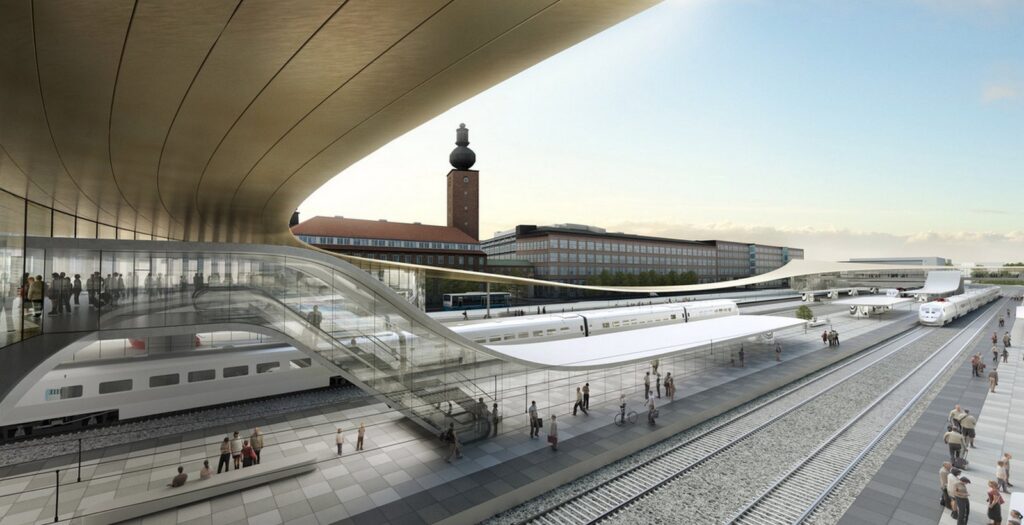
The station’s futuristic structure symbolizes motion and flight; Calatrava’s design evokes a bird poised for take-off, and its skeletal steel-and-concrete interior reinforces this metaphor. The dramatic V-shaped hall provides a monumental gateway between air and rail transit, aligning aesthetics with function.
Though isolated geographically, the station is physically linked by covered walkways and travelators to the airport terminals and Rhônexpress platform. This allows seamless transition between plane and TGV services, enabling passengers arriving or departing by air to access high-speed rail conveniently.
Technology and Operational Details
Lyon Saint‑Exupéry station features state-of-the-art rail infrastructure. Two central high-speed tracks (“tube 300”) allow TGV trains to pass through the station at full speed without stopping, while the remaining side tracks serve platforms for boarding and unloading. The station serves high-speed TGV lines, including Ouigo services, connecting to over 30 cities in France and Italy daily.
Ground-level features such as escalators, travelators, and real-time displays in the concourse improve the passenger experience. The Rhônexpress airport shuttle operates every 15–30 minutes to Lyon Part‑Dieu and other transit hubs, covering 23 km in about 30 minutes with emissions significantly lower than car travel.
Real‑World Use Cases for Lyon Saint‑Exupéry TGV

1. Airport-to-City Business Travel
Business travelers flying into Lyon who must attend meetings in central Lyon or elsewhere benefit from the direct rail connection at the station. They can switch seamlessly from flight to high-speed rail, avoiding taxi or airport shuttle delays. This is especially useful for reaching Paris, Marseille, Grenoble, or Avignon in one efficient journey. The integration of Rhônexpress adds punctual, frequent shuttle access to the city center.
2. Tourism Transfers with Minimal Hassle
Foreign visitors arriving at Lyon airport can move directly to high-speed rail connections without renting cars or navigating local transport. From the airport station, they can reach multiple French and Italian destinations accessible via TGV or Ouigo services. This simplifies logistics for travelers heading straight to Paris or Mediterranean destinations.
3. Ski and Mountain Destination Access
In winter, travelers heading to Alpine resorts such as Grenoble, Bourg-Saint-Maurice, or Val d’Isère benefit from Lyon Saint‑Exupéry station’s access. High-speed TGV connections provide rapid onward travel to mountain regions, avoiding long airport-to-city transfers, and minimizing exposure to congested highways.
4. Eco-Conscious Intermodal Travel
For those seeking sustainable travel options, this station exemplifies low-carbon multimodal mobility. Using rail directly from airport terminals avoids emissions-heavy car transfers. The overall rail link plus Rhônexpress shuttle produces significantly less CO₂ than combined road options.
5. Festival and Event Travel
Major events like conferences in Lyon or region-wide cultural festivals drive temporary surges in passenger traffic. Travelers arriving via air can immediately transit to rail for onward journeys to host cities, simplifying itineraries and reducing transportation complexities.
Benefits of the Station and Technology
Seamless Airport-Rail Interconnection
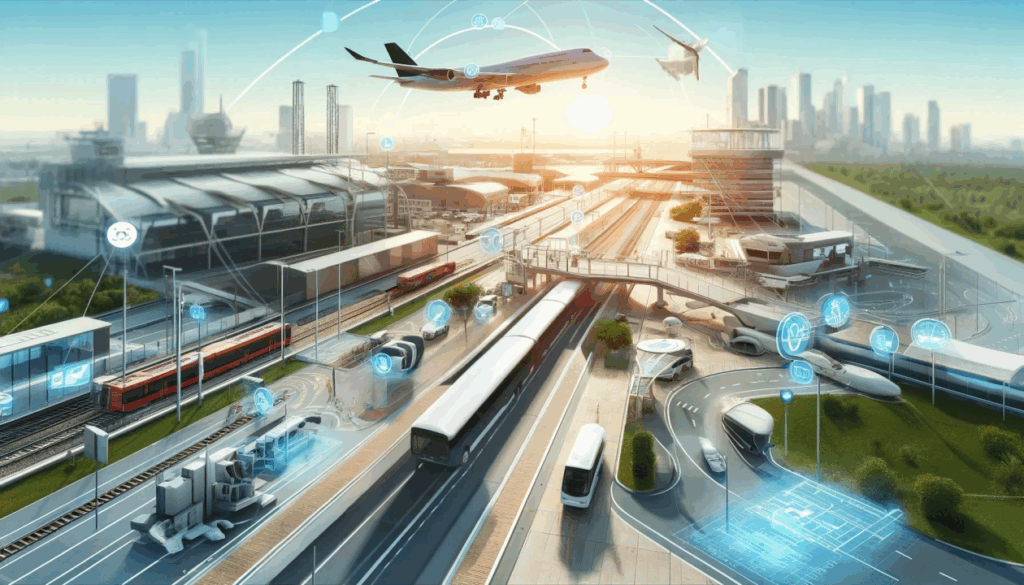
The station allows direct connection from airport terminals to high-speed trains within minutes. Covered walkway access, travelators, and coordinated scheduling between Rhônexpress and TGV services enable efficient continuity between air and rail travel.
Enhanced Transit Efficiency and Speed
By allowing TGV trains to bypass central Lyon via high-speed tracks, overall rail network efficiency improves. Riders save commute time and avoid central station congestion by boarding directly at the airport-linked station.
Improved Passenger Experience
Facilities include real-time information displays, elevators, Wi-Fi access, and sheltered transfer corridors. The architectural design itself enhances ambiance, providing a spacious and sculptural waiting environment.
Environmental Advantages
Working together, Rhônexpress and TGV deliver a low-emission multimodal solution. Carbon output per passenger is minimized compared with car-based transfers, aligning with regional transport sustainability goals.
Use Cases: Real Problems Solved
Solving the Gap Between Airport and High-Speed Rail

Before the station, airport arrivals required complex logistics to reach TGV services at city-center stations. Now, an integrated setup removes this friction, especially impactful for connecting flights to other French or European cities.
Reducing Transit Anxiety for International Travelers
The station simplifies navigation for non-French speakers. Multi-lingual signage, straightforward paths between terminals and platforms, and continuity across rail services reduce confusion and stress, especially during tight layovers or transfers.
Supporting Business Continuity in Transit Scenarios
For professionals landing in Lyon early in the morning, this station supports same-day onward rail travel without needing to enter Lyon itself. This solves scheduling conflicts and allows efficient coordination of air and rail in business itineraries. The TGV station is integrated into Lyon-Saint Exupéry Airport, making it ideal for travelers connecting between rail and air
Frequently Asked Questions (FAQ)
1. Can all TGV services stop at Lyon Saint‑Exupéry station?
Most TGV and Ouigo services on the LGV Rhône‑Alpes line serve the station. However, some express services may pass through without stopping via central high-speed tracks.
2. How do I reach Lyon city center from Saint‑Exupéry TGV station?
The Rhônexpress tram‑train connects the station to Lyon Part‑Dieu and other transit hubs in about 30 minutes, with high-frequency departures throughout the day.
3. Is the station frequently used, and why might usage be low?
Annual passenger numbers hover around 1.8 million, lower than Lyon’s central stations. The primary reason is weak urban rail integration and higher traveler preference for Part‑Dieu or Perrache stations.