Wakatobi, located in Southeast Sulawesi, Indonesia, is one of the world’s most acclaimed snorkeling destinations. This marine paradise is part of the Coral Triangle, an area known for its incredible biodiversity and vibrant coral formations. For those passionate about marine life or simply seeking a unique tropical escape, snorkeling in Wakatobi offers crystal-clear waters, calm seas, and an up-close view of untouched coral ecosystems.
Wakatobi is a protected marine national park, which means the snorkeling experiences are not only world-class but also environmentally sustainable. Visitors can expect to witness hundreds of species of coral and fish, many of which are found nowhere else on Earth. Unlike crowded resorts, Wakatobi provides a serene and immersive experience, making it ideal for nature lovers, underwater photographers, and eco-tourism enthusiasts.
Why Wakatobi is Unique Among Global Snorkeling Destinations
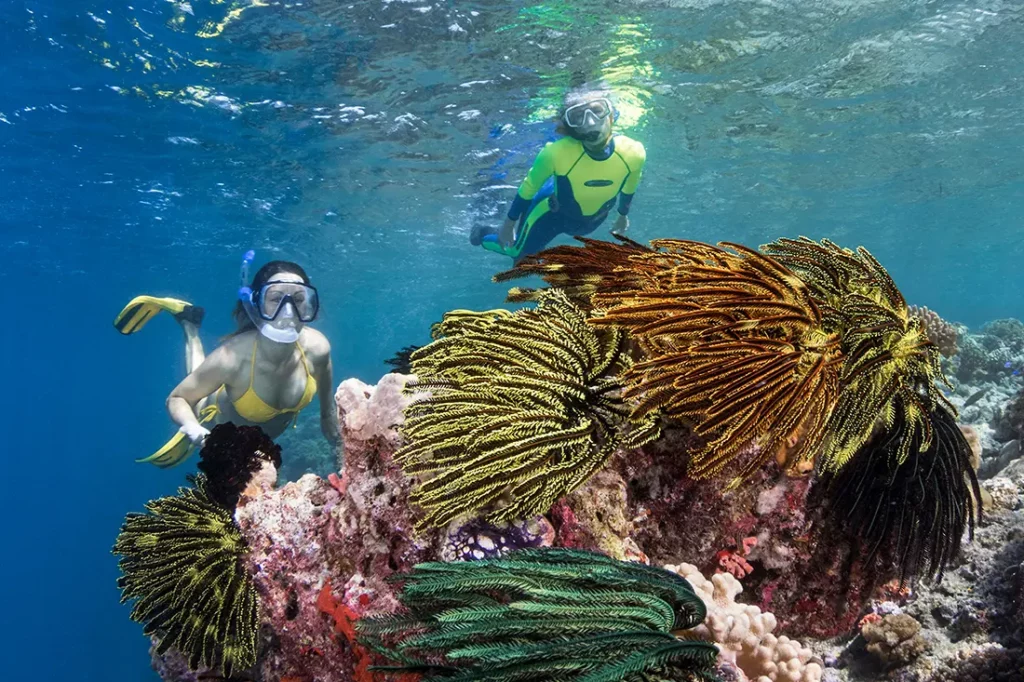
What sets Wakatobi apart is the accessibility of its vibrant reefs. Many snorkeling spots are just a few meters from shore, eliminating the need for boats or complex logistics. This proximity also makes it friendly for beginner snorkelers and families. Despite its remote location, the area is increasingly attracting international tourists looking for tranquility combined with marine excellence.
The reef walls are spectacular, often dropping vertically into deep blue oceans, while the shallower lagoons offer ideal conditions for relaxed exploration. Thanks to Wakatobi’s conservation efforts, the reef remains healthy and thriving—free from the bleaching events that have plagued many other coral ecosystems globally.
The Role of Technology in Enhancing the Snorkeling Experience
In recent years, advancements in snorkeling gear and underwater technology have made the Wakatobi experience even more engaging and safe. For instance, full-face snorkeling masks now offer panoramic views while preventing fogging and water intrusion. Underwater drones and action cameras enable visitors to capture their experiences like never before.
Another example is the development of eco-friendly reef-safe sunscreens, which protect human skin without damaging fragile marine ecosystems. These technologies not only make the adventure more comfortable but also help preserve the environment for future generations.
Real-World Examples of Snorkeling Gear for Wakatobi
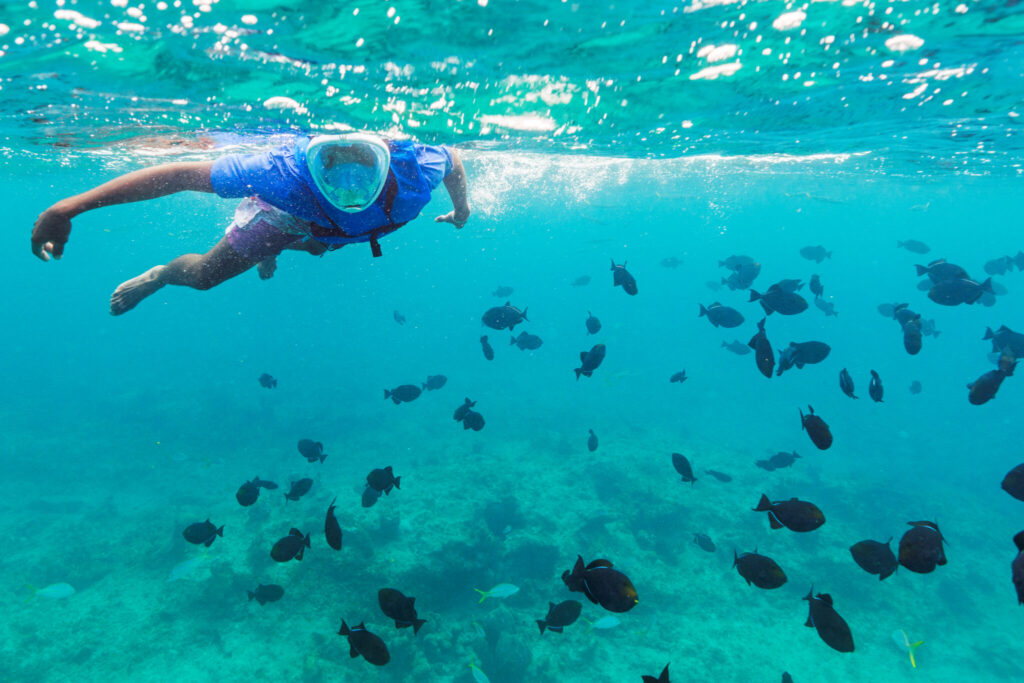
Full-Face Snorkeling Masks
Brands like Tribord and Ocean Reef have revolutionized snorkeling with full-face masks that allow natural breathing through both nose and mouth. The masks feature a dry-top system to prevent water from entering and offer wide panoramic views perfect for Wakatobi’s expansive coral fields. These are especially ideal for beginners who may struggle with traditional masks and snorkels.
Underwater Action Cameras
Compact and durable action cameras such as the GoPro Hero series are a favorite among Wakatobi visitors. These cameras can be mounted on masks or hand-held to document marine life encounters in high-definition video or photos. Since the waters of Wakatobi are exceptionally clear, these cameras capture stunning, professional-level footage even by amateurs.
Reef-Safe Sunscreen
Products like Stream2Sea and ThinkSport offer sun protection without harming coral reefs. Wakatobi’s conservation guidelines encourage the use of these environmentally friendly alternatives. Applying them before snorkeling ensures both personal safety and reef health.
Eco-Friendly Snorkeling Vests
Snorkeling vests from companies like ScubaPro or Aqua Lung are not only buoyant but also made from eco-conscious materials. These vests provide safety, particularly for children and non-swimmers, without compromising environmental values. They are an essential addition for families visiting Wakatobi.
Practical Benefits of Snorkeling Technology in Wakatobi

The integration of these technologies provides several clear advantages. First and foremost, they enhance safety—an important consideration for those new to snorkeling or traveling with children. The use of full-face masks reduces panic, while eco vests provide peace of mind.
Additionally, action cameras enrich the post-trip experience by allowing guests to relive their underwater adventures. Gear like reef-safe sunscreen and eco vests ensures that visitors’ environmental footprint remains low, aligning with Wakatobi’s mission to protect its pristine ecosystem.
Use Cases: Solving Traveler Problems with Wakatobi Snorkeling Solutions
Wakatobi is not just about beautiful reefs, it’s about practical solutions for modern travelers. Consider a family with young children. Traditional snorkeling may pose challenges for young ones, but with full-face masks and buoyancy vests, even kids can explore shallow reefs safely. The calm waters and low currents also make it a stress-free environment.
For travelers concerned about environmental impact, Wakatobi provides eco-conscious accommodations and mandates the use of non-damaging sunscreens and gear. This addresses a growing concern among ethical tourists who seek sustainable travel experiences.
Additionally, solo travelers and underwater photographers find Wakatobi ideal due to its low tourist density and excellent visibility often up to 40 meters. Unlike other tourist-heavy destinations, Wakatobi allows visitors to enjoy reef life in a peaceful, uncrowded setting.
The Conservation Efforts That Make Wakatobi Ideal for Snorkeling
One of the reasons Wakatobi remains such a hotspot is its rigorous marine conservation efforts. Managed as a National Marine Park, Wakatobi enforces strict no-fishing zones and actively engages local communities in conservation programs. Visitors contribute to these efforts via park entrance fees and by following strict snorkeling guidelines.
The success of these conservation initiatives is visible in the thriving coral, abundant fish life, and rare species sightings, including pygmy seahorses, turtles, and reef sharks. These measures ensure that Wakatobi remains an unparalleled snorkeling destination for generations to come.
Cultural and Local Experience Surrounding Wakatobi Snorkeling

Besides snorkeling, visitors to Wakatobi can also engage with local Bajau sea gypsy communities, adding a cultural layer to the trip. These communities have lived in harmony with the sea for centuries and offer insights into sustainable fishing and marine traditions. Eco-tours and community visits are often arranged as part of responsible tourism efforts.
This fusion of nature and culture makes Wakatobi more than just a snorkeling trip; it becomes a deeply meaningful travel experience. Travelers leave not only with incredible underwater memories but also with a broader understanding of marine conservation and traditional Indonesian life.
FAQ
What is the best time of year to snorkel in Wakatobi?
The best months for snorkeling in Wakatobi are from March to December, with peak clarity and calm waters occurring between April and November. During these times, water visibility can exceed 30 meters, making it ideal for underwater photography and reef exploration.
Do I need to be an experienced snorkeler to enjoy Wakatobi?
No, Wakatobi is beginner-friendly. Many of the snorkeling sites are close to shore and in calm waters. Full-face masks, vests, and guided tours make it easy and safe for all skill levels.
Is Wakatobi environmentally sustainable?
Yes. Wakatobi is one of the most sustainable marine tourism destinations in Indonesia. Conservation efforts are integrated into all tourism activities, including gear recommendations, reef protection, and local community involvement in maintaining the health of the marine ecosystem.