Ambon Bay, located in Indonesia’s Maluku Islands, earned global renown as a muck‑diving paradise thanks to Maluku Divers Resort, a dive property purpose-built for underwater photographers and macro enthusiasts. Even though the resort has since closed, its pioneering approach and the diving ethos it created continue in current Ambon dive operations. Today, divers still enjoy the area’s rich corals, rare critters, and personalized guiding that first made Ambon a bucket‑list destination.
What Made Maluku Divers Resort Iconic

The resort was meticulously tailored for macro photography. Guest bungalows included individual camera editing desks, and each dive deck featured rinse tanks, drying stations, and gear storage to support photography workflows. Boats reached muck dive sites in 5–10 minutes, maximizing underwater time while minimizing transit. This focus on efficiency and diver comfort sets a new standard for boutique dive resorts.
The guiding philosophy emphasized small groups with expert spotters delivering a “critters without crowds” diving model. Guides were trained to locate rare species like Rhinopias, wonderpus octopus, flamboyant cuttlefish, frogfish, and ghost pipefish, ensuring high encounter rates and tailor-made experiences for photographers and critter hunters alike.
Muck Diving Meets Coral Walls
Situated within the Coral Triangle, Ambon offers both soft-sediment muck dives and lush reef walls within a short distance of each other. Muck dive sites such as Laha Twilight Zone and Rhino City are prized for unusual critters. In contrast, southern coast sites deliver vivid reef walls, swim-throughs, and schooling fish, offering rich diversity in a single dive locale.
These contrasting underwater landscapes made Ambon ideal for divers seeking variety: detailed macro life in silty zones and broader biodiversity on reef walls, all accessible via short boat trips and guided itineraries that alternate muck and reef days.
Dive Experience Highlights
Mud Magic at Laha Twilight Zone
This muck dive site offers unparalleled access to rare macro life. The silty sands hide species such as ghost pipefish, colorful frogfish, harlequin shrimp, and wonderpus octopus. Long bottom times and minimal current make it ideal for photographers to capture fine detail in macro frames.
Critter Treasure Hunts at Rhino City
Here, rhinopias species like paddle-flap and weedy variants are spotted regularly by skilled guides. The dense invertebrate life, including nudibranchs, shrimps, and seahorses, creates a rewarding hunting ground for underwater enthusiasts.
Reef Adventure in South Ambon
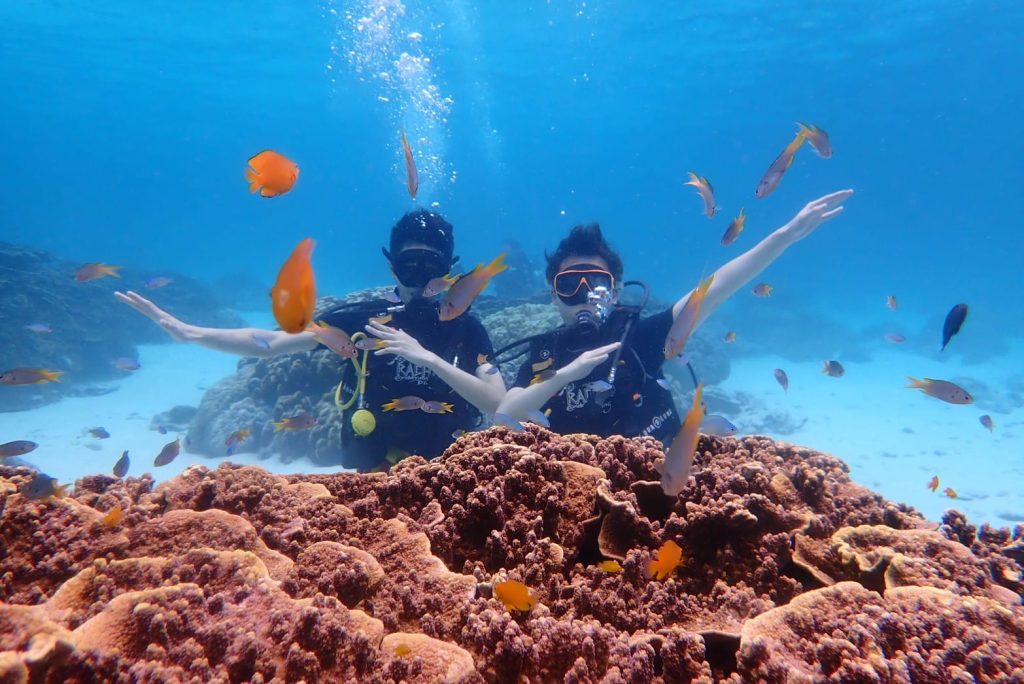
Sites like Hukurila Cave present dramatic coral overhangs, swim-through tunnels, and reef walls teeming with anthias, parrotfish, Napoleon wrasse, and sea turtles. The shift from muck to wide-angle reef diving offers variety and panoramic photographic opportunities.
Dive Infrastructure That Supported Excellence
Maluku Divers was built around the needs of macro photographers. The dive center featured climate-controlled camera rooms, editing desks, rinse tanks, and ample power outlets, making gear care seamless. Dive and boat departures were timed to maximize visibility and tide conditions, and dive logistics minimized wait times and maximized bottom time.
Guides maintained low diver-to-spotter ratios, allowing highly personalized attention underwater. Spotters brought their knowledge of marine behavior and marine ecology together with photographic instincts to locate rare subjects and assist in positioning divers for optimal framing and light.
Benefits of the Maluku Divers Concept

- Macro Excellence: Rapid access to diverse mud dives rich in rare critters.
- Professional Infrastructure: Facilities designed for camera-centric workflows.
- Dual Dive Zones: Both muck and reef productive sites within short rides.
- Limited Crowds: Small dive groups and private guiding enhanced the experience.
- Conservation Awareness: Emphasis on sustainable spotting and strict dive conduct.
- Ambon Cultural Access: Divers also witness local spice-island history and marine environment.
Practical Use Cases: How the Lodge Model Solves Diver Needs
The success of Maluku Divers Resort was built on understanding and solving specific problems experienced by serious divers, particularly those passionate about macro life and underwater photography. Here are some real-world scenarios where the lodge model delivered meaningful, practical solutions:
Macro Photographers Needing Specialized Facilities
Many underwater photographers struggle with dive centers that lack proper camera infrastructure, whether it’s rinse tanks, workstations, or secure drying areas. At Maluku Divers, each bungalow had a dedicated camera desk and charging outlets, while the dive center included air-conditioned editing rooms and camera prep areas. This allowed photographers to maintain, clean, and process their equipment efficiently between dives, reducing equipment damage and downtime.
Divers Seeking Guaranteed Access to Rare Critters
Finding cryptic species like rhinopias, mimic octopus, or flamboyant cuttlefish often requires skilled guides with intimate local knowledge. The lodge’s in-house dive guides were trained not only to spot rare creatures but also to predict their behavior and location across seasons and tidal conditions. This helped divers maximize photo opportunities and increase the likelihood of once-in-a-lifetime sightings.
Guests Wanting Smooth Daily Logistics
Traditional dive resorts often waste time with long boat rides or disorganized schedules. Maluku Divers resolved this with boats that departed just steps from the guest area and dive sites located only minutes away. This setup meant more time underwater, reduced surface fatigue, and better alignment with optimal dive conditions such as tides and light.
Travelers Prioritizing Both Muck and Reef Variety
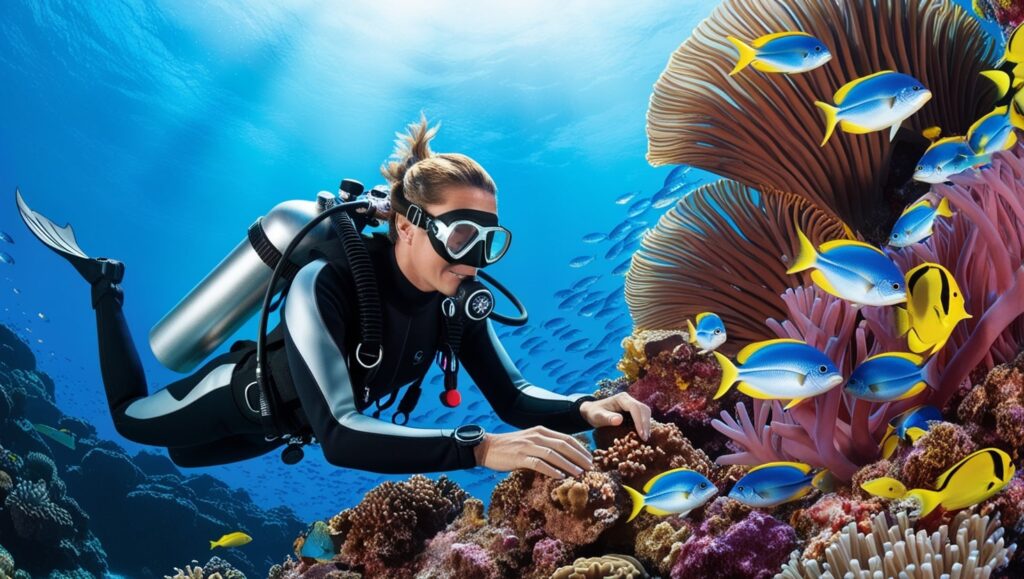
Many dive destinations offer either muck or reef diving, but not both. In Ambon, guests at the lodge could do muck dives in the morning and reef walls in the afternoon without switching accommodations. This flexibility met the needs of divers who wanted variety in their underwater photography, especially those traveling long distances and seeking to make the most of their dive days.
Environmentally Conscious Divers
Modern divers are increasingly aware of marine conservation and seek dive centers that align with sustainable practices. The lodge model practiced minimal-impact diving: strict no-touch rules, small groups, and reef awareness briefings before each dive. This created a respectful underwater experience while preserving sensitive marine ecosystems.
Frequently Asked Questions (FAQ)
1. Is Maluku Divers Resort still operational?
No. The original resort closed due to legal issues some years ago. However, Ambon’s dive experience continues through operators who follow the same tailored standards originally pioneered by Maluku Divers.
2. What makes Ambon Bay special for diving?
Ambon Bay is notable for its mix of muck dive sites packed with rare macro species and nearby reef walls teeming with biodiversity. The proximity of both dive types makes it uniquely efficient.
3. Is Ambon suitable for all diver skill levels?
Yes. While the diving focuses on macro and muck specialties that appeal to experienced divers, the calm water and shallow sites are also accessible for beginners or advanced-certified open water divers under proper guidance.