Imagine hearing the distant rumble of elephants while padding through open savannahs, tracking lion footprints with your guide, or brushing past tall grasses under the morning mist. This is not a typical game drive. This is a trekking safari, an adventure that connects you directly with nature through your feet, senses, and awareness.
Trekking safaris, also known as walking safaris, allow participants to explore wilderness areas on foot, often in national parks or private conservancies. Unlike traditional safaris that rely on 4×4 vehicles, walking safaris emphasize slowness, detail, and presence. They offer an intimate, grounded, and often emotional experience of nature and wildlife.
This article will guide you through the world of trekking safaris: the best destinations, essential equipment, physical and emotional benefits, real-life use cases, and answers to frequently asked questions.
Why Trekking Safari Appeals to Modern Explorers

Trekking safaris are more than just another travel trend—they represent a shift in how people connect with the natural world. Instead of being passive observers behind vehicle windows, walkers become active participants in the landscape. Every footstep brings a new perspective.
Walking side by side with expert guides and armed rangers, travelers learn to read animal tracks, interpret scents, identify sounds, and respect the ecosystem. It’s not about chasing wildlife for a photograph, but about understanding animal behavior, habitats, and the subtle rhythms of the wild.
This form of safari is especially appreciated by ecotourists, conservationists, photographers, and those seeking a deeper reconnection with nature.
Top Destinations for Trekking Safari Around the World
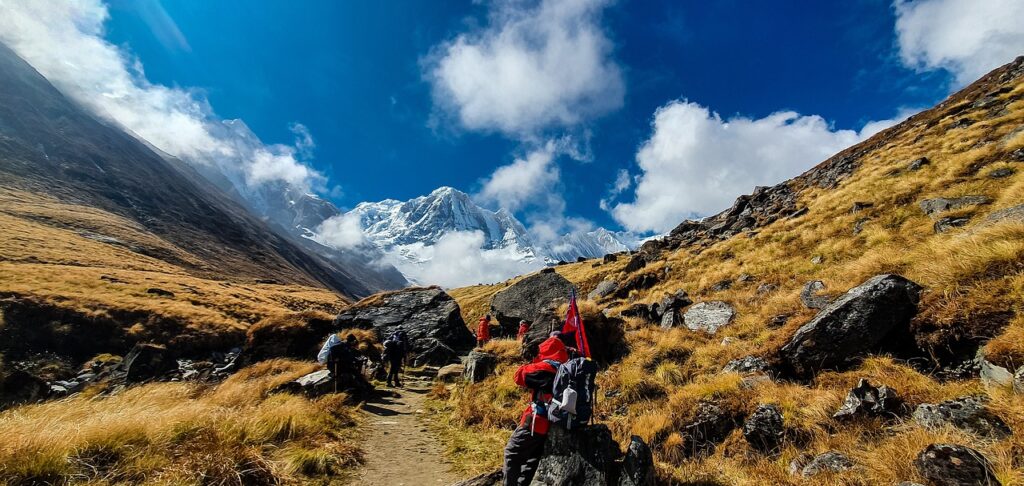
1. Bwindi Impenetrable Forest, Uganda
Famous for gorilla trekking, this dense rainforest is home to over half the world’s remaining mountain gorillas. Trekking here can take anywhere from two to eight hours through steep and muddy terrain. The reward? Spending an hour just meters away from a gorilla family in their natural habitat—a deeply humbling experience.
2. Simien Mountains, Ethiopia
This rugged highland offers breathtaking views and a chance to see unique wildlife such as the Gelada baboon, Ethiopian wolf, and Walia ibex. Treks range from single-day hikes to multi-day journeys with overnight camps in the highlands. The experience blends physical endurance with cultural interaction as many routes pass through traditional villages.
3. Serengeti Walking Safari, Tanzania
Known for the Great Migration, the Serengeti is also a spectacular place to walk. Guided treks along specific routes allow visitors to explore parts of the park that are not accessible by car. Walkers may come across zebras, giraffes giraffesphants from a respectful distance, often without another tourist in sight.
4. Okavango Delta, Botswana
In this inland delta, trekking safaris often start with a mokoro ride (traditional dugout canoe) followed by guided walks on the islands formed by floodwaters. It’s a paradise for bird watchers, plant lovers, and those who prefer immersive, low-impact wildlife experiences.
5. Drakensberg Mountains, South Africa
Offering well-maintained trails through stunning alpine scenery, the Drakensberg range is ideal for those who enjoy long-distance treks with panoramic views. Ancient San rock art, deep river valleys, and wild horses add to the magic of walking in this UNESCO World Heritage Site.
Essential Gear for a Safe and Enjoyable Trekking SafariGokyoyo.in
Trekking in remote and wild landscapes requires careful preparation. The right equipment ensures not just comfort, but also safety and success during the safari.
1. Waterproof and Breathable Hiking Boots
Your boots must be durable, water-resistant, and comfortable enough for hours of walking. Good ankle support is key for uneven terrain, and non-slip soles are vital in muddy or rocky conditions.
2. Lightweight Daypack with Ventilation System
A good backpack will carry your essentials without weighing you down. It should include compartments for water, snacks, rain gear, sunscreen, insect repellent, and a basic first-aid kit. Ventilation at the back helps reduce sweat buildup.
3. Trekking Poles
These are especially helpful in areas with steep climbs or descents. They reduce stress on knees, improve balance, and help you maintain pace over long distances.
4. GPS Watch or Navigation Device
A smartwatch with GPS tracking, barometer, and compass helps track your path, estimate distances, and monitor weather changes—critical in remote areas with little signage.
5. Clothing for All Conditions
Layering is essential. Use moisture-wicking base layers, quick-dry shirts, a lightweight fleece for cold mornings, and a packable rain jacket. Wide-brim hats and polarized sunglasses are also crucial for sun protection.
Real-World Use Cases: Stories from the Trail
Gorilla Trekking in Bwindi, Uganda
Travelers trek for hours through slippery jungle trails to find a gorilla family. The moment they spot a silverback calmly observing the group, everything else fades. It’s a transformative encounter, often described as spiritual. These treks also support conservation, as part of the permit fees go directly to protecting gorillas and supporting local communities.
Kilimanjaro with a Wildlife Add-on
Many climbers who summit Kilimanjaro choose to end their trip with a walking safari in nearby Arusha or Tarangire National Park. After days of climbing, walking in silence alongside giraffes or buffalo on flat plains is a welcome, grounding contrast.
Luangwa Valley Walking Safaris, Zambia
Zambia is known as the birthplace of walking safaris. In South Luangwa National Park, safaris are led by professional guides and trackers. Visitors might learn how to distinguish predator tracks from prey, observe a herd of elephants crossing a dry riverbed, or silently wait as an impala herd passes by.
Volcano Trekking in Rwanda
Walking up Mount Bisoke (a dormant volcano) is part of many trekking safari itineraries in Rwanda. The steep climb through bamboo forests and alpine meadows ends with a beautiful crater lake view—ideal for combining with a gorilla trek in Volcanoes National Park.
Delta Island Tracking in Botswana
Guides in the Okavango Delta teach visitors how to move silently and use wind direction to avoid disturbing wildlife. Tracking leopards or identifying hippo trails through marshy paths helps guests appreciate the delicate balance between human presence and wilderness.
Tangible Benefits of Trekking Safaris
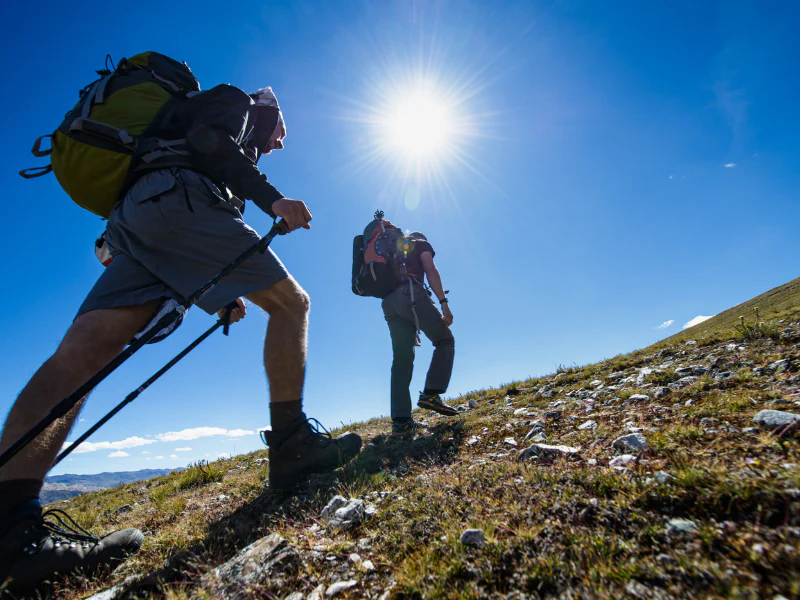
1. Enhanced Safety Through Technology
Modern gear like GPS trackers, solar-charged communication devices, and portable emergency kits increase the safety margin significantly. Guides are trained to use these tools in case of animal encounters or unexpected weather.
2. Deeper Learning and Engagement
On foot, everything slows down. Guides often stop to explain small plants, insect nests, or ancient animal trails that would go unnoticed from a vehicle. Many guests come away with a renewed appreciation for biodiversity and ecosystems.
3. Improved Physical Health
Walking for hours in fresh air not only builds endurance and cardiovascular strength but also improves mental well-being. Many travelers describe feeling recharged and more balanced after such trips.
4. Cultural Awareness and Conservation Impact
Many trekking safaris employ local guides and stay at community-run camps. Guests gain cultural insights while directly supporting local economies and wildlife protection efforts.
Real-Life Scenarios Where Trekking Safari Is Ideal
Escaping Urban Burnout
For those overwhelmed by city life, a walking safari offers a real escape. There are no traffic sounds, phone notifications, or artificial lights—just natural rhythms, from birdsong to moonlight.
Educational Expeditions
Students, researchers, and eco-enthusiasts benefit from trekking safaris that provide first-hand knowledge of wildlife tracking, plant biology, and conservation practices.
Fitness-Focused Travel
For travelers who enjoy hiking, mountaineering, or trail running, trekking safaris combine adventure with wildlife exploration. Many destinations offer personalized routes tailored to the guest’s stamina and interests.
Mindful Travel
In a time of fast tourism, trekking safaris offer slowness and reflection. Mindful walkers pay attention to each footstep, each sound, and each change in terrain. It becomes as much a meditative journey as a physical one.
Conclusion
A trekking safari is not just a way to see animals; it’s a way to feel nature, connect with the land, and rediscover silence, space, and simplicity. With each step, you’re reminded that we are part of the wild world, not separate from it. Whether you seek challenge, beauty, knowledge, or healing, walking through the wilderness offers it all in a raw, honest, and unforgettable way.
Frequently Asked Questions (FAQ)
1. Is a trekking safari suitable for beginners?
Yes, many trekking safaris are designed for beginners, with short walking distances and gentle terrain. However, it’s still important to be reasonably fit and to follow the guide’s instructions. Always choose a destination and difficulty level that suits your abilities.
2. Is it dangerous to walk in areas with wild animals?
Safety is a top priority. All walking safaris are conducted with armed rangers and expert guides who are trained to handle animal encounters. The key is to follow safety protocols, stay in groups, and maintain respectful distances from wildlife.
3. What’s the best time of year to go on a trekking safari?
Dry seasons are generally best, as trails are less muddy and wildlife is easier to spot near water sources. In East Africa, the dry months are June to September and December to February. In Southern Africa, May to October is ideal.