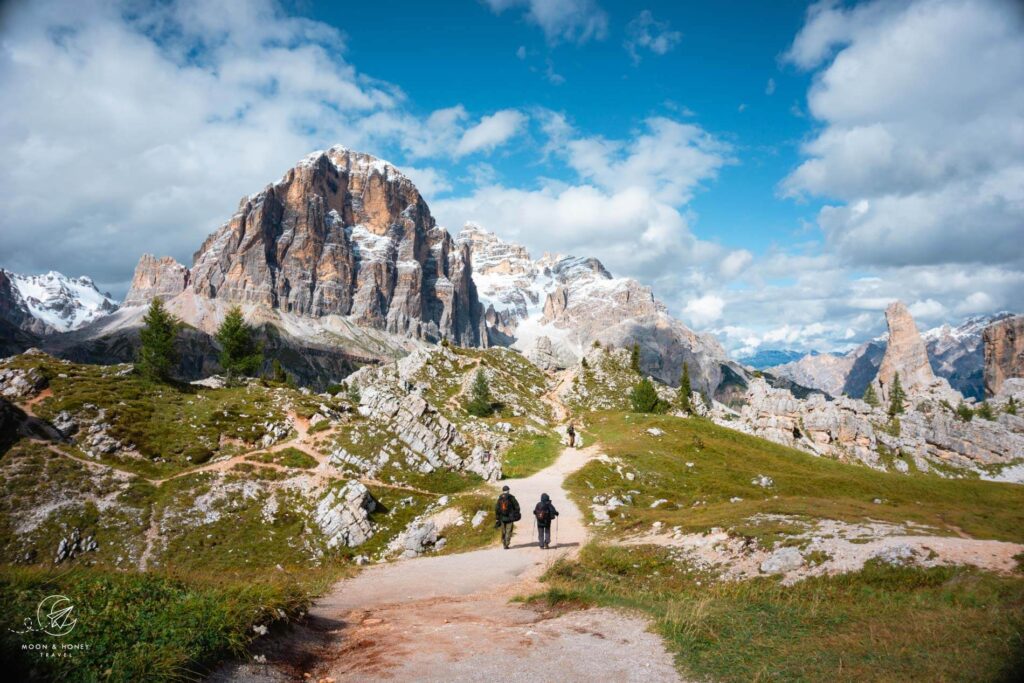
The Dolomites Alta Via 1 is one of the most iconic long-distance trekking routes in Europe, famed for its dramatic limestone peaks, well-maintained mountain huts (rifugi), and spectacular alpine landscapes. Spanning approximately 120 kilometers, this trail offers hikers an immersive multi-day adventure through the heart of northern Italy’s Dolomites region. Whether you’re a seasoned trekker or planning your first hut-to-hut journey, this guide explores everything you need to know, from trail insights and terrain challenges to gear and practical use cases.
What Is the Dolomites Alta Via 1?

The Alta Via 1, often referred to as the “Classic High Route,” is the most accessible of the Dolomites’ numbered trekking paths. Beginning in Lago di Braies in South Tyrol and ending at Belluno, this route weaves through mountain passes, alpine meadows, and jagged ridges. Typically completed in 8–12 days, it offers a well-marked path that doesn’t require advanced climbing skills, making it suitable for intermediate hikers with decent endurance.
The Alta Via 1 passes through nature parks such as Fanes-Sennes-Braies and Dolomiti Bellunesi, offering both ecological diversity and incredible panoramic views. Along the way, trekkers stay in rustic yet comfortable rifugi that provide food, lodging, and a strong sense of camaraderie among outdoor enthusiasts.
Trail Conditions, Terrain, and Difficulty
The Dolomites Alta Via 1 traverses a wide variety of terrain—ranging from gentle green valleys to rocky passes that require stable footing. While no technical climbing gear is required, some sections involve steep ascents and descents with fixed cables for added safety.
Key Trail Features:
- Elevation gain: ~6,600 meters
- Total distance: ~120 kilometers
- Altitude range: 1,500 to 2,750 meters
- Common stages: 10
- Difficulty: Moderate to Challenging
Weather conditions can vary dramatically even in summer, with sudden storms or temperature drops. Therefore, proper layering and waterproof gear are essential.
Salewa Alp Trainer 2 Mid GTX Hiking Boots
The Salewa Alp Trainer 2 Mid GTX boots are ideal for trekking Alta Via 1 due to their combination of durability, ankle support, and waterproofing. Designed specifically for alpine trekking, they provide Vibram soles for grip, Gore-Tex liners for moisture control, and adaptive eyelets for a customized fit.
These boots are well-suited to the rocky and occasionally slippery Dolomite trails. They offer enough breathability for hot summer days while keeping feet warm and dry during sudden alpine rains or cold mornings.
Osprey Atmos AG 65 Backpack
The Osprey Atmos AG 65 is a top-tier backpack designed for multi-day treks like Alta Via 1. Its Anti-Gravity suspension system distributes weight evenly, making it easier to carry loads over long distances.
This backpack features:
- Ventilated back panel for comfort
- Multiple access points and compartments
- Integrated rain cover
With space for a sleeping bag, extra clothes, hydration systems, and even small luxuries like a camera or journal, it becomes an essential companion on the trek.
Garmin GPSMAP 67i Handheld GPS with Satellite Messaging
For those who want added safety and navigation precision, the Garmin GPSMAP 67i is a satellite-enabled handheld device combining GPS navigation with two-way messaging via the Iridium satellite network.
This device allows trekkers to:
- Navigate off-grid terrain
- Send location updates to family
- Trigger SOS alerts in case of emergency
Given the remoteness of some sections of the Alta Via 1, this technology can provide peace of mind while enhancing situational awareness.
Patagonia R1 Air Zip-Neck Fleece
The Patagonia R1 Air is an advanced mid-layer fleece designed for active mountain environments. It’s lightweight, moisture-wicking, and provides excellent thermal regulation—ideal for early morning starts and cool evenings at high altitude.
Unlike bulky fleece jackets, the R1 Air is breathable and quick-drying, which means you won’t have to pack multiple layers. It’s highly compressible and fits easily into a backpack, making it practical for changing alpine conditions.
Black Diamond Alpine Carbon Cork Trekking Poles
These poles offer a strong combination of comfort, weight savings, and stability. The Alpine Carbon Cork model from Black Diamond includes:
- Natural cork grips for moisture control
- Adjustable height with reliable locking mechanisms
- Carbon fiber shafts for lightweight strength
They are especially useful for long downhill sections and steep uphill climbs, reducing the strain on knees and improving overall balance on uneven terrain.
Practical Benefits of Trekking the Alta Via 1

Trekking the Alta Via 1 offers a unique blend of physical, mental, and cultural benefits.
1. Immersion in Nature:
The Dolomites are a UNESCO World Heritage Site, and walking this trail lets you engage intimately with alpine flora, fauna, and geology. The constantly changing scenery—from wildflower meadows to stark limestone cliffs—enhances the experience beyond a simple hike.
2. Cultural Richness:
Staying in a rifugi introduces you to the culinary and linguistic diversity of the region. You may hear Italian, German, and Ladin spoken, and meals often reflect this multicultural influence. From polenta with deer stew to apple strudel, every meal becomes a regional treat.
3. Personal Growth and Endurance:
Covering 10–15 kilometers per day with a loaded backpack is physically demanding. However, the reward lies in building mental resilience, self-reliance, and confidence. It’s a personal journey of discipline and appreciation for simplicity.
Why Trekking the Dolomites Alta Via 1 Is Useful
Training for Longer Expeditions
Many outdoor enthusiasts use Alta Via 1 as a preparatory route for longer or more technical expeditions like the Tour du Mont Blanc or even Himalayan treks. The moderate difficulty level makes it a great stepping stone for understanding pacing, logistics, and gear optimization.
Digital Detox and Mental Health Reset
The absence of constant connectivity along much of the trail enables a genuine escape from digital stress. This can significantly improve mental clarity, reduce anxiety, and promote mindfulness through sustained physical activity in a natural setting.
Educational Field Trips
Alta Via 1 can be used by geology students or outdoor education groups to study glacial formations, sedimentary rock structures, or alpine ecology. The trail serves as a live classroom, making theory more relatable through real-world observation.
Use Case 4: Bonding and Team Building
Whether hiking with family, friends, or organized groups, Alta Via 1 fosters trust, cooperation, and shared achievement. This makes it ideal for team-building exercises or reconnecting with loved ones in a non-digital environment.
Technological Advantages for Modern Trekkers
The use of technology has transformed how people experience the Alta Via 1, offering greater safety, navigation accuracy, and comfort.
1. GPS and Satellite Communication:
Devices like Garmin inReach ensure that you can share your location or call for help in emergencies. They’re especially useful in remote areas where mobile signal is absent.
2. Performance Fabrics and Smart Layers:
Modern trekking clothing from brands like Patagonia, Arc’teryx, and Rab use synthetic insulation and merino wool to regulate temperature and moisture. These fabrics are lighter, more durable, and better performing than traditional wool or cotton.
3. Ultralight Gear Design:
Backpacks, tents (if camping), and stoves have become significantly lighter and more compact. This reduces strain and allows trekkers to go farther with less effort, making multi-day trekking more accessible to a broader audience.
4. Digital Trail Planning Tools:
Apps like Komoot, Gaia GPS, and AllTrails provide downloadable maps and elevation profiles. You can customize daily stages, anticipate terrain challenges, and share plans with fellow hikers for coordination.
Best Time to Hike and What to Expect
The ideal window to hike Alta Via 1 is between late June and mid-September, when most rifugi are open and trails are snow-free. However, July and August are also peak months, so early bookings are essential for accommodation.
Expect:
- Mild to warm days (12–24°C)
- Cold nights (as low as 5°C)
- Afternoon thunderstorms
- Sunrise and sunset views like no other
It’s advisable to start hiking early each day to avoid unpredictable weather and to enjoy the best lighting conditions for photography.
Common Challenges and How to Overcome Them
Blisters and Foot Fatigue:
Choosing the right socks and footwear is critical. Use liner socks and break in boots well before the trek.
Altitude Sickness:
Though not extreme, the elevation can affect some people. Staying hydrated and ascending gradually helps mitigate symptoms.
Overpacking:
The temptation to carry extra items can lead to unnecessary weight. Stick to lightweight, multi-purpose gear and review packing lists in advance.
Frequently Asked Questions
1. Do I need a guide to hike Alta Via 1?
No, the Alta Via 1 is well-marked and doesn’t require technical skills, making it possible for independent hikers. However, a guide can enhance your understanding of local geology, history, and ecology.
2. Can beginners trek the Dolomites Alta Via 1?
Yes, but beginners should have a reasonable fitness level and some experience with day hikes. Starting with shorter sections or hiring a guide can help ease the challenge.
3. Are camping and bivouacking allowed on Alta Via 1?
Wild camping is generally discouraged or restricted in the Dolomites due to environmental regulations. Most trekkers stay in mountain huts, which offer a safe, convenient, and culturally enriching experience.