Safaris have evolved from rugged wildlife hunts into deeply immersive, ethical adventures that connect travelers with some of the most breathtaking ecosystems on the planet. Today, a top safari isn’t just about spotting the “Big Five.” It’s about conservation, local culture, sustainability, and raw, unforgettable nature.
As we move into 2025, the safari industry continues to innovate, offering unique encounters across Africa, South America, and even remote parts of Asia. Whether you’re a first-time traveler or a seasoned explorer, this guide reveals the most iconic safari destinations and the transformative experiences they provide.
What Makes a Safari ‘Top Rated’?
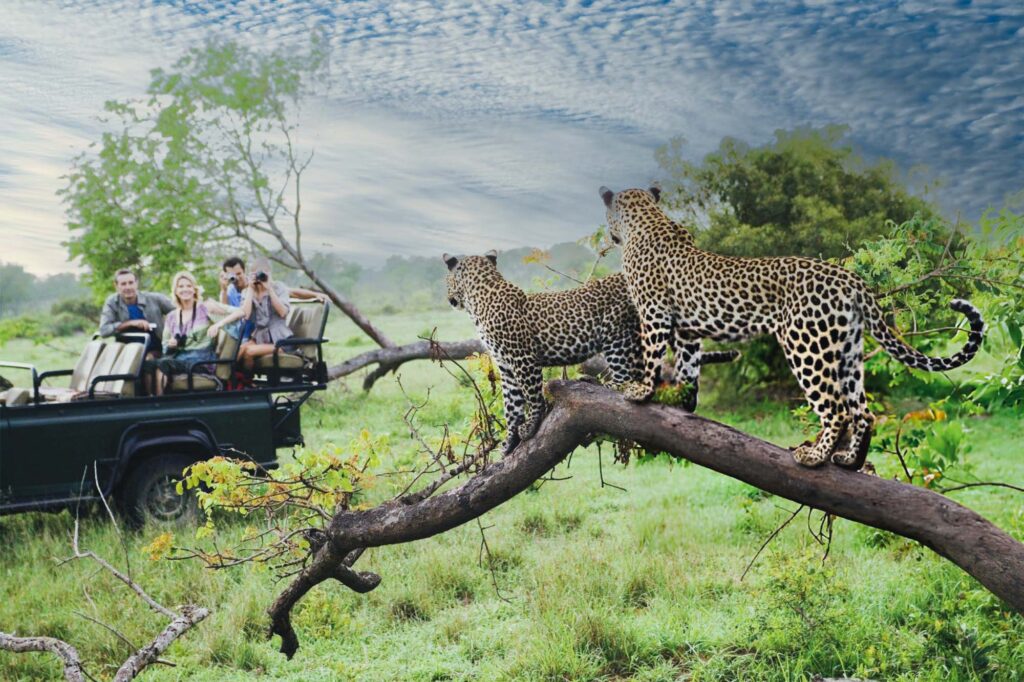
A top-rated safari isn’t just about seeing animals; it’s about the overall experience. From luxury accommodations and expert guides to conservation impact and ecosystem diversity, a truly outstanding safari blends excitement, comfort, and purpose. The following factors contribute to what qualifies as a “top safari”:
- High wildlife density and species variety
- Ethical and sustainable tourism practices
- Expert local rangers and trackers
- Scenic and ecologically diverse environments
- Cultural integration and authentic community experiences
Understanding these criteria is key to appreciating why certain destinations and safari operators rise to the top.
Exploring the World’s Most Renowned Safari Experiences
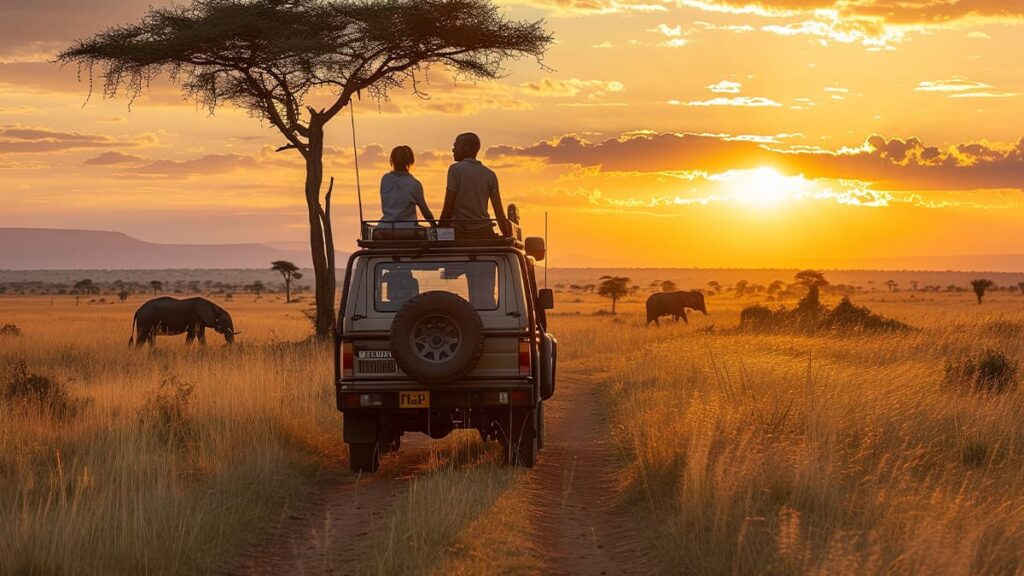
Insert image of the product format: A group of elephants walking across the Serengeti at sunset.
Serengeti National Park, Tanzania
Serengeti National Park is one of the most iconic safari destinations in the world. Known for its expansive plains and the world-famous Great Migration, the Serengeti offers a chance to see over 2 million wildebeest, zebras, and gazelles journey across the land in search of greener pastures.
Beyond the migration, the Serengeti is home to the “Big Five”—lion, leopard, elephant, buffalo, and rhinoceros—making it an excellent year-round destination. Its diverse habitats, from savannah to riverine forest, host more than 500 bird species, making it a paradise for birdwatchers as well.
Okavango Delta, Botswana
The Okavango Delta is a unique inland water system that transforms parts of the Kalahari Desert into a lush wildlife habitat. Safaris here are often conducted by traditional mokoro canoes, giving visitors a silent, immersive way to explore.
What makes the Okavango special is its seasonal flood patterns, which attract animals from across Botswana. Expect to see elephants, hippos, crocodiles, and elusive predators like leopards and African wild dogs. The remote lodges and low-impact tourism model make this a top safari for those seeking exclusivity and environmental sustainability.
Maasai Mara, Kenya
Located in southwestern Kenya, the Maasai Mara is the northern continuation of the Serengeti and equally rich in wildlife. Its open plains make it one of the best places in Africa to spot cheetahs in action. Visitors can also interact with the Maasai people and learn about their customs, which are deeply tied to the land and wildlife.
The Mara is also a central point of the Great Migration and offers high-quality photographic opportunities thanks to its open terrain and dramatic sunsets.
Kruger National Park, South Africa
Kruger National Park is ideal for first-time safari-goers due to its infrastructure, accessibility, and variety of accommodations—from self-drive options to ultra-luxury lodges. It offers exceptional wildlife viewing, including the Big Five, and hosts a diverse range of flora and fauna.
Kruger’s extensive network of roads and guided tours provides flexibility for various travel styles, while adjacent private reserves like Sabi Sands allow for more intimate wildlife encounters with fewer vehicles.
Pantanal, Brazil
While Africa often dominates the safari scene, South America’s Pantanal stands out for its wildlife density—especially its jaguar population. Unlike dense Amazonian jungles, the Pantanal’s open wetlands make it easier to spot large mammals and birds.
This top safari destination is a dream for birdwatchers and photographers, boasting over 650 bird species and excellent chances to see capybaras, caimans, and giant otters.
How Technology Enhances Top Safari Experiences
Modern technology has brought a new level of sophistication to safari planning and execution. While the essence of the experience remains raw and natural, technology helps improve safety, sustainability, and accessibility.
Wildlife Tracking with GPS Collars
Conservation teams use GPS collars to monitor the movements of endangered species. Some safari operators offer guests access to this data, giving real-time insights into the animals’ locations and behaviors. This enhances the safari experience and contributes to scientific efforts.
Solar-Powered Eco-Lodges
Top safaris increasingly take place in lodges powered by renewable energy. Solar panels provide electricity without disrupting the ecosystem, ensuring a minimal carbon footprint. These lodges also use greywater recycling and composting toilets for true sustainability.
Digital Safari Journals and Apps
Guests can now document their experiences via safari apps that catalog species, map sightings, and allow for instant photo uploads. These tools enrich the experience and promote deeper engagement with the environment.
Remote Camera Traps and Drones
Many top safari parks use camera traps and drones to monitor wildlife in inaccessible areas. Visitors sometimes get access to footage, giving them rare insights into nocturnal or hidden animal behavior without disturbing natural rhythms.
Use Cases: How Top Safaris Solve Real-World Travel Needs
Eco-Tourism for Conscious Travelers
More travelers are seeking vacations that align with their values. Top safaris offer a meaningful way to enjoy nature while supporting conservation, local communities, and low-impact tourism. From carbon-neutral lodges to anti-poaching initiatives, safaris help transform tourism into a force for good.
Educational Family Travel
For families, safaris offer immersive learning outside the classroom. Children and adults alike gain firsthand understanding of biodiversity, ecosystems, and cultural traditions. These trips often foster lifelong appreciation for wildlife conservation.
Luxury Meets Wilderness
For high-end travelers, top safaris blend luxury with wild adventure. Imagine sipping fine wine from your private plunge pool while watching elephants roam nearby. Safaris now include spa treatments, gourmet dining, and even Wi-Fi in the bush—all without compromising the wildlife experience.
Photography Expeditions
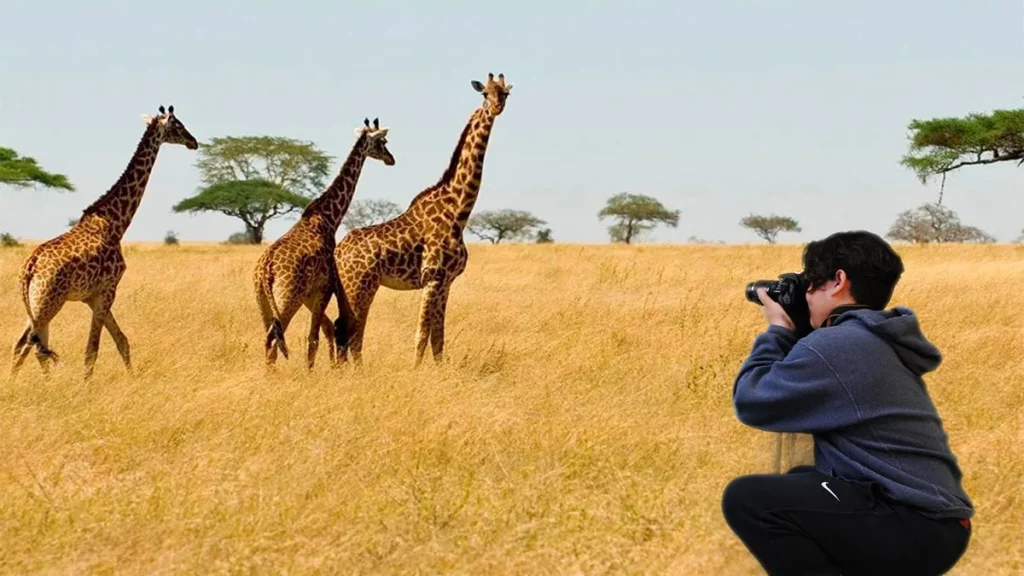
Wildlife photography requires patience, timing, and the right environment. Top safari destinations offer specialist guides, private vehicles, and flexible schedules tailored for photographers. Whether capturing a lioness at dawn or a bird mid-flight, these safaris are built for creative pursuits.
Health and Wellness Retreats
Several safari lodges now incorporate wellness activities such as guided meditation, yoga, and nature walks. These experiences are ideal for travelers looking to disconnect from urban chaos and reconnect with nature.
Benefits of Choosing a Top Safari
Choosing a top safari experience offers more than just luxury or excitement. It has practical, emotional, and environmental benefits:
- Increased Safety: Expert guides and well-established infrastructure reduce risks in remote environments.
- Deeper Engagement: Interactions with local communities and conservationists enhance understanding of complex ecosystems.
- Sustainable Travel: Top operators follow best practices in minimizing environmental impact and supporting local economies.
- Mental Restoration: Being in nature is scientifically proven to lower stress, improve mental clarity, and increase happiness.
- Personalized Experiences: Whether you’re a birdwatcher, big cat enthusiast, or cultural explorer, safaris can be tailored to your interests.
Real-World Examples of Top Safari Use Cases
Singita Grumeti Reserve, Tanzania

Singita Grumeti offers ultra-luxury safaris while maintaining a strong commitment to conservation and community. Located on the migratory route of the Serengeti, it provides exclusive access to wildlife without the crowds. Guests participate in behind-the-scenes conservation tours, gaining rare insights into anti-poaching strategies and local education programs.
andBeyond Ngala Private Game Reserve, South Africa
andBeyond Ngala is known for its excellent leopard sightings and conservation work with rhinos. Guests can track wildlife on foot or via jeep, led by passionate rangers. It combines traditional safari luxury with heartfelt sustainability programs, including solar power and local hiring initiatives.
Explora Lodge, Patagonia (Chile)
Though not in Africa, Explora Lodge offers a top safari experience in the wilds of Patagonia. Treks across glacier valleys and wildlife-spotting of guanacos and condors provide the same thrill and isolation that defines the best African safaris. It highlights how the safari concept has evolved beyond the traditional format.
Chobe Safari Lodge, Botswana
Set near the meeting point of four countries (Botswana, Namibia, Zimbabwe, and Zambia), Chobe offers abundant elephant populations and sunset river safaris. Its proximity to Victoria Falls makes it a great multi-stop adventure. Chobe supports local school programs and uses eco-sensitive building materials.
Jaguar Research Camp, Brazil
This specialist camp allows guests to work alongside scientists monitoring jaguars in the Pantanal. It’s a unique mix of citizen science, photography, and remote adventure, perfect for travelers seeking purpose and passion in their journey.
Frequently Asked Questions (FAQ)
What is the best time of year to go on a top safari?
The best time depends on the destination. In East Africa, June to October is ideal for dry season viewing and the Great Migration. In Southern Africa, May to September offers cooler temperatures and easier animal spotting. The Pantanal’s dry season (July–October) is best for jaguar sightings.
Are top safaris safe for children?
Yes, many top safari lodges cater to families with child-friendly activities, private guides, and secure accommodations. However, it’s important to select camps that are specifically equipped and experienced in hosting families with young travelers.
How can a safari support conservation efforts?
Top safari operators often contribute a percentage of their profits to wildlife conservation, anti-poaching patrols, and community development. Choosing these safaris helps fund the protection of endangered species and fragile habitats.