Soraypampa Camp sits at approximately 3,900 meters (12,795 feet) above sea level, serving as one of the most pivotal stops for trekkers embarking on the legendary Salkantay Trek to Machu Picchu. Located deep in the Peruvian Andes, this basecamp offers both the challenge and charm of high-altitude mountain wilderness. It’s often the first major overnight stop for trekkers coming from the village of Mollepata, and it introduces hikers to thin air, glacial views, and the breathtaking alpine scenery of the Cordillera Vilcabamba.
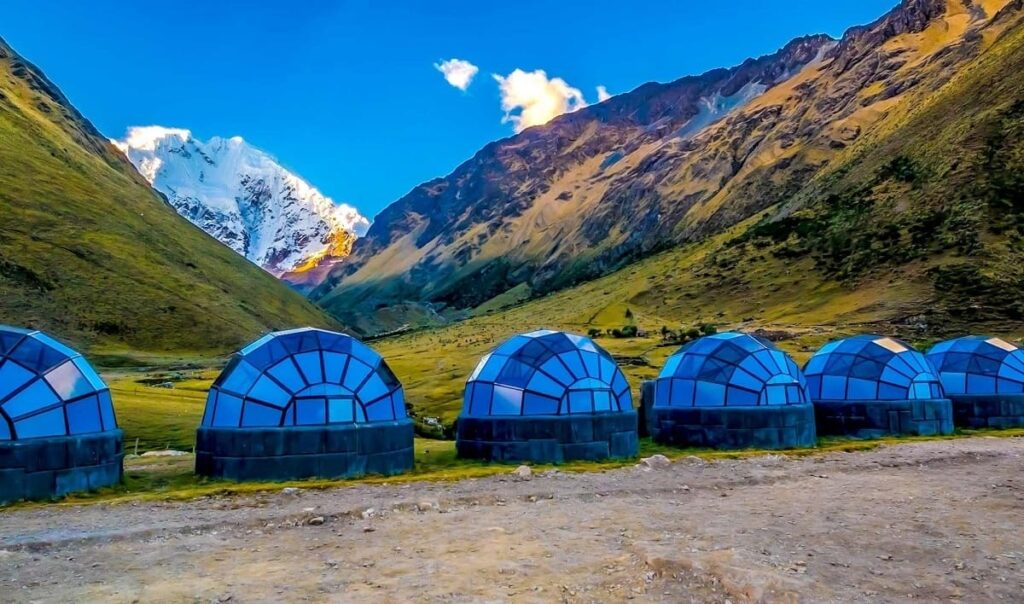
While many know of the Inca Trail, the Salkantay Trek, and by extension, Soraypampa Camp is gaining attention as a quieter, equally spectacular alternative. The campsite itself features a mix of standard tent pitches, eco-domes, and basic lodges. It is also the launchpad for a short but steep hike to the stunning turquoise Lake Humantay.
Understanding Soraypampa Camp’s environment, logistics, and trekking context can help travelers prepare for what lies ahead and why it’s an essential part of the Salkantay journey.
Geographic and Environmental Overview
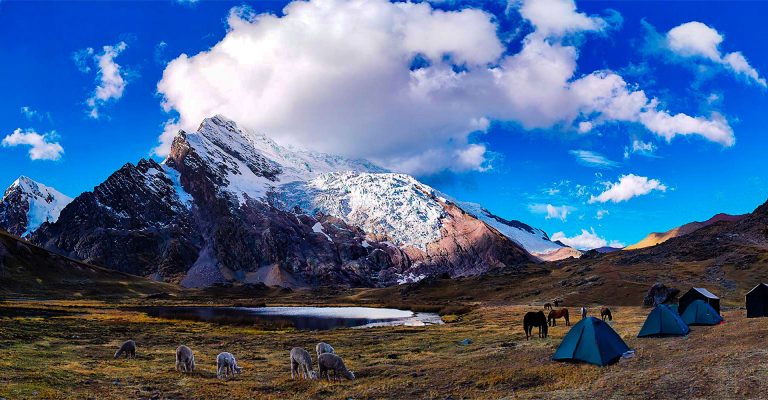
Soraypampa is cradled between two Andean giants, Mount Salkantay (6,271 m) and Humantay (5,473 m, which provide a dramatic landscape that’s both photogenic and physically demanding. The terrain here is alpine tundra, with cold nights, chilly winds, and dramatic weather shifts. The scenery, however, is worth every challenge.
Temperatures at Soraypampa can range from -5°C (23°F) at night to about 15°C (59°F) during the day. The altitude makes even basic activities feel strenuous at first, and altitude acclimatization is critical. Soraypampa is also a transition point: it marks the end of lush vegetation and the beginning of rugged highland terrain that dominates the next stages of the trek.
For travelers, this means both preparation and respect for nature are essential. The environment teaches patience, resilience, and appreciation for the raw power of the Andes.
Soraypampa Camp and the Salkantay Trek Experience
Soraypampa is more than a pit stop; it’s a symbolic transition point where trekkers begin to feel the true magnitude of their journey. It’s also a place of rest and mental preparation before climbing to the Salkantay Pass (4,650 m), the highest point on the route.
Most trekking itineraries begin with a drive from Cusco to Mollepata, followed by a hike to Soraypampa. Once there, trekkers typically spend one night acclimatizing before heading toward the pass the next day. Some even opt for an acclimatization hike to Lake Humantay, which sits at around 4,200 meters and offers spectacular photo opportunities and a challenge in itself.
Guided treks usually include overnight accommodations in heated domes or eco-lodges, while more adventurous hikers may choose to camp. In either case, Soraypampa’s thin air and dramatic scenery leave an unforgettable mark on those who experience it.
Benefits of Using Technology at Soraypampa Camp

Modern trekking in remote areas like Soraypampa has been revolutionized by technology. Tools that improve navigation, health monitoring, and communication provide practical safety and comfort benefits for adventurers tackling high-altitude routes.
GPS-Enabled Trekking Watches
Smartwatches like the Garmin Fenix 7 allow trekkers to monitor their heart rate, elevation gain, and oxygen saturation. These features are critical at Soraypampa, where rapid altitude changes can trigger acute mountain sickness. Having accurate elevation data and heart performance insights helps trekkers pace themselves and avoid pushing too hard.
Portable Solar Chargers
Given the remoteness of Soraypampa, access to electricity is extremely limited. Devices like the Anker 21W solar charger provide a reliable source of renewable energy to charge phones, headlamps, and GPS devices. These are essential for safety and documentation of the experience through photography or digital journaling.
Satellite Communicators
The Garmin inReach Mini is a popular satellite communicator used in remote trekking areas like Soraypampa. It allows for two-way texting and emergency SOS messaging even without cell coverage. In emergencies, this device could make a life-saving difference.
High-Efficiency Water Purification Devices
Products like the SteriPEN Ultra use UV technology to purify alpine water sources safely. Considering the limited potable water at Soraypampa, such tools help trekkers stay hydrated without relying on bottled water, reducing environmental impact.
Thermal Sleeping Systems
Cold is a serious concern at Soraypampa. High-tech sleeping bags with thermal efficiency ratings below -10°C from brands like Mountain Hardwear or Therm-a-Rest keep trekkers warm even in frigid pre-dawn hours. These technologies allow for better sleep and recovery during a physically demanding trek.
Real-World Product Use Cases at Soraypampa Camp

1. Garmin Fenix 7 Series
This GPS-enabled smartwatch is a top-tier tool for high-altitude trekking. It tracks altitude, heart rate, and performance metrics. At Soraypampa, its pulse oximeter is particularly helpful to monitor blood oxygen levels, crucial for identifying early signs of altitude sickness. The device’s breadcrumb navigation also ensures that trekkers don’t stray from the trail in low-visibility conditions.
2. Anker 21W Solar Panel Charger
Soraypampa has no consistent electrical grid, and a solar charger becomes a trekker’s lifeline to keep GPS devices, phones, or headlamps powered. Lightweight and foldable, it fits easily into backpacks. Its dual USB ports can power multiple devices while resting during sunny daylight hours.
3. Garmin inReach Mini
One of the most essential safety tools in a remote place like Soraypampa. In case of emergency, this device enables trekkers to send SOS signals or check in with family. It uses the Iridium satellite network and has been a lifesaver for incidents of high-altitude sickness and falls.
4. SteriPEN Ultra
Instead of carrying heavy bottled water, trekkers use UV water purifiers to treat stream or lake water near Soraypampa. This specific model uses USB-rechargeable batteries and can purify a liter of water in 90 seconds. It reduces the risk of stomach illnesses while also helping protect the fragile ecosystem from plastic waste.
5. Therm-a-Rest NeoAir XTherm Sleeping Pad
Staying warm is critical for performance and health at Soraypampa. This inflatable sleeping pad provides superior insulation from the cold ground, paired with a high R-value for subzero temperatures. Trekkers using this model have reported better sleep quality, less fatigue, and more comfort during the next day’s ascent.
Benefits of Soraypampa Camp for Trekkers
Soraypampa Camp offers numerous real-life advantages, especially for those undertaking the physically intense Salkantay route. These benefits are not just environmental but psychological and logistical as well.
Altitude Acclimatization
Spending a night at Soraypampa allows trekkers to begin acclimatizing before ascending further. This staged elevation gain reduces the risk of acute mountain sickness when approaching the 4,650-meter Salkantay Pass the next day.
Access to Side Treks like Lake Humantay
Lake Humantay is one of the most beautiful and sacred lakes in the region. A short but steep climb from Soraypampa leads to this glacial lake. Hikers often use this opportunity to test their endurance, photograph the turquoise waters, and pay homage to the Apus (mountain spirits).
Mental Reset and Preparation
Many trekkers report feeling a spiritual or emotional shift after reaching Soraypampa. It serves as a mental checkpoint that prepares hikers for the greater challenges ahead while offering the chance to reflect and reconnect with nature.
Support Infrastructure
Although remote, Soraypampa offers basic facilities such as eco-domes, portable toilets, and emergency mule services. This infrastructure provides some level of security for trekkers who may be struggling physically or mentally at altitude.
Practical Use Cases and Real-Life Problems Solved
Altitude Sickness Mitigation
One of the biggest dangers in the Andes is altitude sickness. Soraypampa Camp’s strategic placement allows trekkers to sleep at a high altitude before pushing higher. Devices like Garmin smartwatches and oximeters help monitor vitals, while acclimatization time improves safety.
Power and Communication Limitations
Lack of cell service and electricity can hinder safety. With tools like solar chargers and satellite communicators, trekkers can maintain critical communication, especially in emergencies, without reliance on traditional infrastructure.
Hydration and Health
Purifying water on-site using tools like the SteriPEN Ultra addresses a common issue: lack of potable water. This ensures hydration while reducing pack weight and plastic waste, improving overall health on the trail.
Cold Exposure and Fatigue
High-end sleeping gear and insulated pads help protect against hypothermia and poor sleep quality. These are critical to maintaining strength, preventing injury, and continuing the trek.
Frequently Asked Questions
What is the altitude of Soraypampa Camp, and how does it affect trekkers?
Soraypampa Camp sits at around 3,900 meters (12,795 feet). At this altitude, oxygen levels are significantly lower, which can cause altitude sickness. Spending a night here helps trekkers acclimatize before climbing to the even higher Salkantay Pass.
Is it necessary to bring advanced trekking gear to Soraypampa?
Yes. Because of the cold, high-altitude conditions, modern gear such as thermal sleeping systems, satellite communicators, and GPS watches greatly improves safety, comfort, and performance. Soraypampa is remote, and self-reliance is crucial.
Can beginners trek to Soraypampa Camp?
Yes, but preparation is essential. While the trail to Soraypampa is achievable for most healthy individuals, acclimatization days, physical conditioning, and good gear are key. Many first-time high-altitude hikers succeed here when well-prepared.