Soft trekking, also referred to as gentle trekking or light hiking, is a growing trend in eco-friendly, wellness-centered outdoor travel. Unlike traditional trekking that demands extensive stamina, specialized gear, and high-altitude endurance, soft trekking is a low-impact, accessible activity designed for people of all ages and fitness levels. It offers a beautiful balance of adventure and relaxation, focusing on scenic routes, cultural immersion, and nature appreciation.
This form of trekking typically involves well-marked, safe trails that do not require technical climbing skills. Soft trekking routes are often intertwined with historical sites, local communities, and breathtaking landscapes, making it not just a physical journey, but also a deeply enriching experience. Travelers can expect moderate elevation changes, comfortable pacing, and ample opportunities to engage with the local environment.
The Essence of Soft Trekking
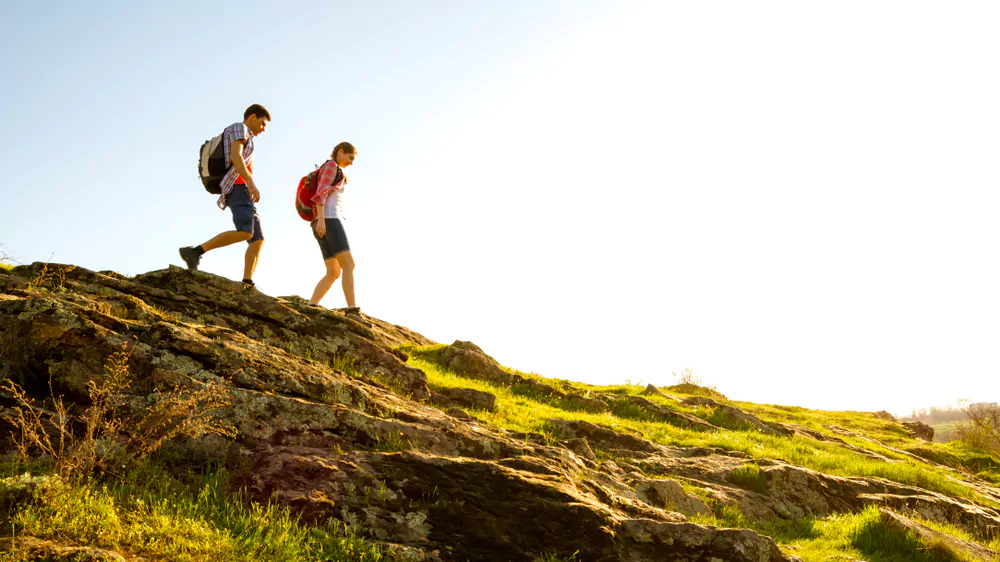
Soft trekking isn’t merely a diluted form of hiking—it’s a deliberate shift in the outdoor experience. It emphasizes mindful movement, environmental sustainability, and deeper engagement with natural surroundings. Participants typically cover 5–15 km per day over gentle terrain. The focus is less on reaching peaks and more on enjoying the journey.
Unlike strenuous treks that may span weeks and demand acclimatization, soft trekking fits into short vacations, weekend getaways, or even day-trips. It’s ideal for families, seniors, wellness travelers, and anyone who wishes to combine nature exploration with relaxation and cultural exposure.
Ubud Rice Fields Soft Trek, Bali
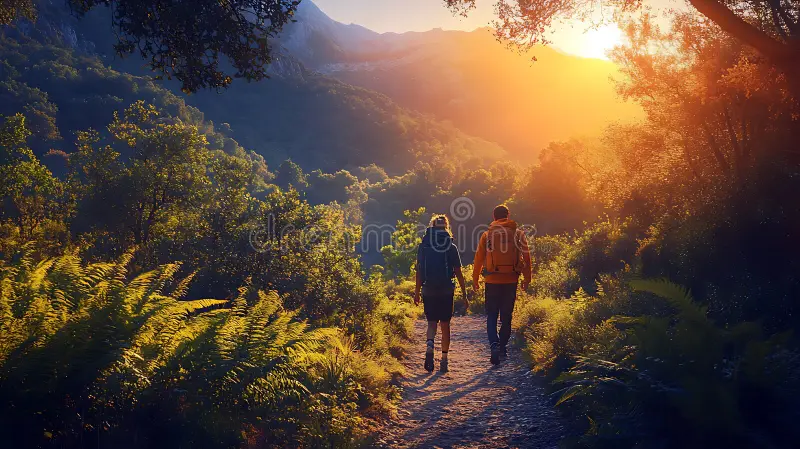
In the lush heart of Bali lies Ubud, famous for its terraced rice paddies and tranquil atmosphere. The Ubud soft trek offers a cultural and scenic experience through emerald fields, jungle paths, and artist villages. The route is flat, well-maintained, and usually spans 4–8 kilometers, perfect for a half-day journey.
This trek allows participants to observe local farmers at work, visit traditional Balinese homes, and stop at yoga retreats and cafes along the trail. It’s not just a hike—it’s an immersion into Balinese culture and nature. Soft trekking in Ubud is suitable for beginners and families, requiring no equipment beyond comfortable shoes and a hat.
Torres del Paine Base Walk, Chilean Patagonia
Though the Torres del Paine National Park is often associated with rugged backpacking adventures, it also offers soft trekking options like the Base Walk. This trek avoids steep ascents and covers the lower valleys and scenic lakes of the park, with stunning views of the Paine Massif in the background.
Travelers walk along gravel paths beside turquoise glacial lakes, observe native wildlife like guanacos and condors, and explore lenga forests. Guides often accompany these treks, enriching the experience with ecological and geological insights. This soft trek is a gateway for nature lovers to access one of the world’s most iconic landscapes without the demands of a high-altitude hike.
The Dolomites Alpine Pastures Trail, Italy
The Dolomites in Northern Italy feature an extensive network of soft trekking trails traversing alpine meadows, wooden huts (rifugi), and blooming wildflower fields. One such popular soft trail is the Alpe di Siusi walk, which offers panoramic views of jagged limestone peaks without any strenuous elevation.
This trail blends Italian mountain culture with breathtaking natural beauty. Along the way, hikers can sample local cheeses, sip espresso in cozy refuges, and even hear cowbells echo across the valleys. This experience is perfect for slow travelers and retirees who want an accessible alpine adventure.
Appalachian Trail Day Hikes, United States
The Appalachian Trail is synonymous with long-distance trekking, but it also offers plenty of day hiking opportunities ideal for soft trekkers. Areas like Shenandoah National Park or the Smoky Mountains feature short loops (2–10 km) with manageable inclines and excellent trail maintenance.
These trails provide lush forest cover, birdwatching spots, waterfalls, and scenic overlooks—all without the commitment of multi-day hiking. Families with young children or older travelers often choose these trails for their balance of accessibility and natural beauty.
Dana to Petra Eco Walk, Jordan
The Dana to Petra trek is commonly undertaken as a strenuous multi-day hike, but eco-tour operators now offer a shortened soft trekking version. This abridged trail highlights the geological wonders and ancient ruins of southern Jordan over easy terrain and with full logistical support.
Trekkers walk through desert landscapes, pass by Bedouin camps, and ultimately arrive at the rose-red city of Petra. This soft trekking alternative opens the experience to travelers who cannot engage in the full trek due to time, age, or physical limits without sacrificing the magic of the journey.
Benefits of Soft Trekking and the Role of Technology
Soft trekking offers numerous health, environmental, and psychological benefits. It’s also being transformed by modern technology, making it safer and more accessible than ever.
Health and Wellness Advantages
- Improved Physical Health: Gentle walking over natural terrain enhances cardiovascular function, joint mobility, and muscle tone without causing fatigue or injury.
- Mental Clarity: Immersion in nature has been shown to reduce stress hormones and improve mood. Soft trekking creates a mental reset through movement and mindfulness.
- Accessible Fitness: This form of trekking encourages people who might shy away from traditional hiking to participate in outdoor physical activity.
Technological Enhancements
- GPS and Trail Apps: Apps like AllTrails or Komoot offer detailed trail maps, user reviews, and offline navigation to keep soft trekkers safe and informed.
- Wearable Fitness Tech: Devices like Fitbit or Apple Watch track steps, heart rate, and elevation, offering insights into personal health and safety.
- Eco-Friendly Gear: Lightweight, sustainable clothing and water filtration systems reduce environmental impact and enhance comfort on the trail.
- Digital Guides and Audio Tours: These provide cultural or ecological context during the trek, enriching the experience without the need for physical books or guides.
When and Why Soft Trekking Matters
Soft trekking isn’t just about leisure. It offers tangible solutions for modern lifestyle challenges:
Post-Pandemic Travel Recovery
After the global pandemic, many people seek open-air, socially-distanced travel experiences. Soft trekking fits this need perfectly, offering ng escape into nature without crowds or confined spaces.
Family Bonding
Families with children or elderly members can rarely participate in high-endurance adventures. Soft trekking is inclusive, allowing multiple generations to explore nature together in a safe, engaging way.
Mental Health and Burnout Recovery
Busy professionals and urban dwellers often seek short getaways that restore energy. Soft trekking offers this with minimal planning, serving as a mental retreat into peaceful, restorative landscapes.
Educational Travel
Schools and eco-tour operators often use soft trekking as part of educational travel programs. It blends physical activity with field learning ideal for geography, biology, and sustainability topics.
FAQs
What is the difference between soft trekking and regular trekking?
Soft trekking involves short, low-impact walks on well-maintained trails, typically with minimal elevation gain. Regular trekking often demands greater endurance, technical skill, and exposure to remote or challenging environments.
Can beginners do soft trekking without training?
Yes. Soft trekking is designed for beginners and people of all ages. It requires minimal preparation—just a decent level of mobility and enthusiasm for walking in nature.
What should I pack for a soft trekking experience?
Lightweight hiking shoes, water, sun protection, a light rain jacket, and a trail map or app are usually sufficient. Depending on location and weather, you might also bring snacks, trekking poles, or a camera.