The Selous Nyerere ecosystem in southern Tanzania is one of the largest protected wildlife areas in Africa, covering over 30,000 square kilometers. Recently renamed Nyerere National Park to honor Tanzania’s founding father, Julius Nyerere, the area combines world-class safari experiences with pristine wilderness, far from the crowded circuits of the north.
As an off-the-beaten-path safari destination, Selous Nyerere offers a rare blend of game viewing, river-based wildlife experiences, and walking safaris in unspoiled terrain. It’s a destination that reflects both natural wonder and conservation progress, making it a must-visit for adventurers and eco-travelers.
Overview of Selous Nyerere’s Unique Landscape

The park is bisected by the Rufiji River, which creates a dynamic ecosystem of channels, lakes, and wetlands, attracting elephants, hippos, crocodiles, and an abundance of birdlife. The vegetation shifts from Miombo woodlands to open grasslands and dense riverine forests, creating distinct wildlife habitats across the park.
Unlike Tanzania’s northern parks, Selous Nyerere remains largely uncommercialized. The lodges are more exclusive, the game drives are less crowded, and the wildlife is more relaxed. Visitors can expect sightings of African wild dogs, lions, giraffes, zebras, and large herds of buffalo—often without another vehicle in sight.
Historical and Conservation Importance of Selous Nyerere
Originally established in the late 1800s and declared a UNESCO World Heritage Site in 1982, the reserve was renamed in 2019 to commemorate Julius Nyerere’s conservation legacy. The change reflects a renewed focus on sustainable tourism and local involvement in preserving the region’s biodiversity.
Nyerere National Park plays a vital role in Tanzania’s broader conservation strategy. It’s part of the Southern Tanzania Circuit and acts as a buffer for wildlife migration between protected areas. Anti-poaching initiatives and community-based conservation programs have been increasingly effective here, partly due to its new national park status and stricter regulatory oversight.
Real-World Safari Lodges and Experiences in Selous Nyerere
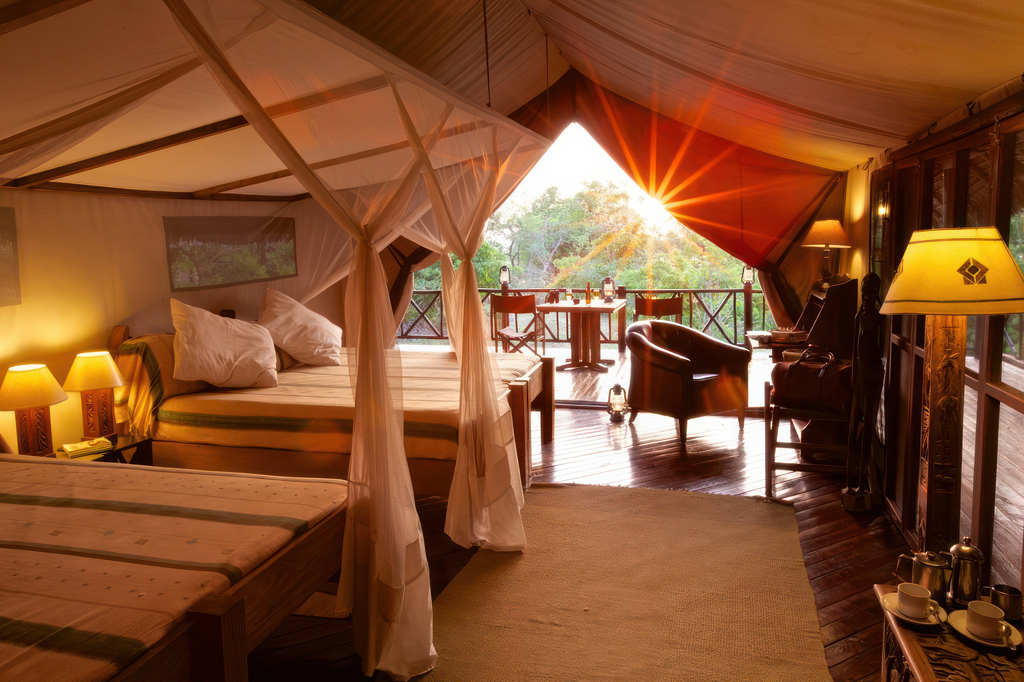
Sand Rivers Selous
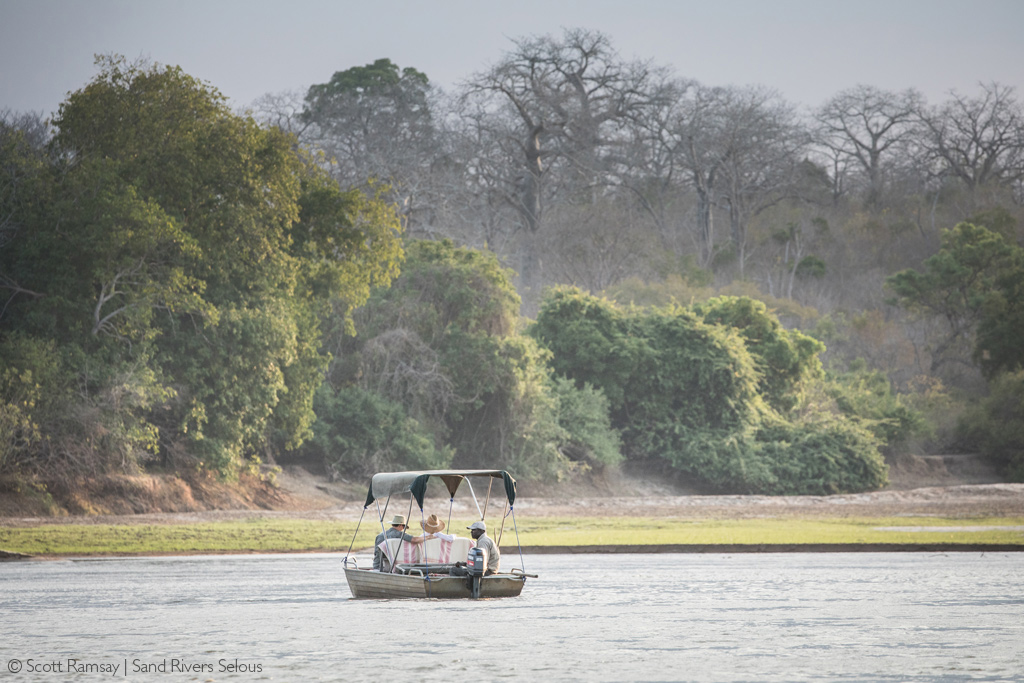
This upscale safari lodge sits on a bluff overlooking the Rufiji River, offering open-air suites with panoramic views. Sand Rivers is renowned for its emphasis on river-based game viewing—boat safaris, fishing excursions, and floating sundowners are daily highlights. Guests can also enjoy guided walking safaris with experienced naturalists, offering a more intimate wildlife encounter.
The lodge emphasizes sustainability, sourcing local produce, and employing community members. Its use of solar power and eco-friendly design makes it an example of low-impact luxury in the wild.
Beho Beho Safari Camp
Nestled in the cooler highlands of Selous, Beho Beho is one of the first lodges in the reserve to offer walking safaris as a core activity. With only a few stone cottages, it delivers an ultra-exclusive feel. Each suite offers an open wall that allows uninterrupted views and close contact with nature.
Beho Beho places a premium on personalized service and conservation education. Their guides double as researchers who provide insights into predator-prey dynamics, elephant migration, and bird behavior. This makes it an educational safari as much as a relaxing one.
Siwandu Camp
Located near Lake Nzerakera, Siwandu provides a classic tented safari experience in one of the park’s richest wildlife areas. The tents are spacious and elegant, raised on wooden platforms with views of the lake where animals come to drink.
Guests can explore the surroundings by 4×4 game drives, boat safaris, and short walks. Siwandu’s staff also collaborates with local conservation NGOs, offering guests a behind-the-scenes look at wildlife protection and habitat preservation.
Selous Serena Camp
Backed by the prestigious Serena Hotels group, this luxury tented camp combines authenticity with modern comfort. Each tent has en-suite bathrooms, private decks, and elegant furnishings. Located near the Rufiji River, the camp offers prime access to large game sightings, including lions, elephants, and crocodiles.
The camp promotes cultural exchange by organizing village visits and storytelling sessions with local tribes, deepening the tourist experience while empowering local communities.
Lake Manze Camp
A favorite for adventurous travelers, Lake Manze Camp keeps things simple yet immersive. There’s no Wi-Fi or electricity in the tents, encouraging full engagement with the natural environment. Wildlife often roams through the camp, creating an exciting and raw safari experience.
Lake Manze Camp emphasizes its ecological footprint, using biodegradable materials and supporting wildlife monitoring programs. It’s ideal for guests who value simplicity, authenticity, and conservation.
The Role of Technology in Enhancing the Selous Nyerere Experience

As with many national parks across Africa, Selous Nyerere is increasingly incorporating technology to boost conservation and visitor experience. One significant advancement is the use of GPS-based animal tracking systems that help guides locate elusive species like wild dogs or leopards. Tourists benefit by gaining rare sightings and learning how tracking contributes to research and protection.
Some camps have adopted solar-powered infrastructure, significantly reducing their carbon footprint. Drones are used in anti-poaching surveillance missions, providing real-time data to rangers without disturbing wildlife. Additionally, camera traps positioned across the park help researchers document animal behavior, breeding patterns, and territory movements.
Another key technology is the use of mobile apps that allow tourists to record sightings, contributing to open-source wildlife databases used by scientists and policymakers. This citizen-science approach turns tourism into a tool for research.
Benefits of Exploring Selous Nyerere for Modern Travelers
Selous Nyerere offers a unique kind of safari, less crowded, more diverse in activities, and deeper in its ecological messaging. For travelers seeking more than just a checklist of big game sightings, this park delivers meaningful connections to wildlife and nature.
The immersive walking and boat safaris create sensory-rich experiences that go beyond what traditional game drives can offer. You smell the earth, hear the birds, and see the subtle details of the ecosystem at work. It’s a return to slow travel and thoughtful adventure.
Health-conscious travelers also benefit from the park’s wide-open spaces, fresh air, and minimal human density. Unlike congested urban areas or tourist hubs, Selous Nyerere offers a wellness angle rooted in nature.
Real-Life Problems Solved by Visiting Selous Nyerere
Nature-Based Healing and Mental Wellness
Urban dwellers facing stress or burnout can benefit immensely from a trip to Selous Nyerere. The park’s quietude, fresh air, and slow pace allow for a mental reset. Mindful travel, walking safaris, and wildlife observation help reduce anxiety and promote inner calm.
Educational Enrichment for Students and Families
Families seeking experiential learning can turn a safari into a living classroom. Children learn about predator-prey relationships, migration cycles, and conservation principles in ways that no textbook can match. Camps often offer kid-friendly programs that combine fun with education.
Wildlife Photography and Conservation Media
Photographers, filmmakers, and journalists looking for raw African wilderness find Selous Nyerere an ideal canvas. With fewer vehicles and less commercial interference, they can capture rare moments without distraction. Their content helps raise awareness for conservation causes.
Corporate Retreats and Eco-Incentive Travel
Some companies choose Selous Nyerere for incentive travel and eco-retreats. The environment encourages team bonding, strategic thinking, and personal growth. Camps can customize team-building activities like nature treks, wildlife tracking, and cultural immersion.
Reconnection with the Natural World
For those seeking a spiritual or ecological reconnection, Selous Nyerere serves as a bridge between modern life and primal nature. Whether it’s walking alongside elephants or paddling past hippos, the experience transforms perspectives on the natural world and our place within it.
Frequently Asked Questions (FAQ)
What is the best time to visit Selous Nyerere National Park?
The best time to visit is during the dry season from June to October. Wildlife is easier to spot as animals gather around water sources, and roads are more accessible. However, the wet season (November to May) brings lush landscapes and excellent birdwatching opportunities.
How does Selous Nyerere differ from Serengeti or Ngorongoro?
Selous Nyerere is less crowded and offers a wider range of safari types, including walking and boat safaris. It’s more remote and offers a true wilderness experience, while Serengeti and Ngorongoro are more famous but often more tourist-heavy.
Is Selous Nyerere suitable for first-time safari travelers?
Absolutely. While it’s more remote, the park offers excellent guiding, comfortable lodges, and diverse safari activities. First-time travelers will appreciate the exclusivity and tranquility that may be lacking in busier parks.