Embark on a serene wildlife safari unlike any other: the Peñas Blancas Safari Float offers a peaceful gliding journey down the rainforest‑shaded Río Peñas Blancas, just 25–30 minutes from La Fortuna. In inflatable rafts or kayaks guided by bilingual naturalists, visitors enjoy close-up views of monkeys, sloths, caimans, iguanas, colorful birds, and even rare basilisk lizards without disturbing the ecosystem.
As an eco‑friendly, low‑impact adventure, the safari float combines conservation awareness, educational narration, local cultural interaction, and gentle recreation. In this detailed guide, you’ll learn about river ecology, wildlife behavior, technology integration, real tour examples, benefits for travelers, and practical ways the safari float addresses varied needs, all before finishing with a well-informed FAQ.
Why the Peñas Blancas Safari Float Stands Out

The river meanders through rainforest, sunlight filtering through a dense canopy creating a natural tunnel alive with biodiversity. Water is calm (Class I), meaning no rough rapids, making it suitable for guests aged four and above. Guides maintain a small group dynamic (typically up to 10–15 guests), ensuring personal attention and minimal noise. The float delivers wildlife viewing at eye level: howler and capuchin monkeys overhead, caimans basking, sloths nestled in branches—and even “Jesus Christ” lizards running across water (Bucketlist Bri, theabroadguide.com).
The experience is not rushed. It blends observation with quiet contemplation: paddles lightly steer the float does most of the work. Between sightings, guides explain the surrounding flora, local farming like cacao and plantains, and the conservation context. A typical tour ends with a brief stop at a family‑run ranch where Costa Rican snacks like fried plantains, yuca bread, juice, or coffee are shared, adding cultural richness to the wildlife expedition (MytanFeet, ARENAL.NET, Two Weeks in Costa Rica).
River Ecology and Wildlife Diversity
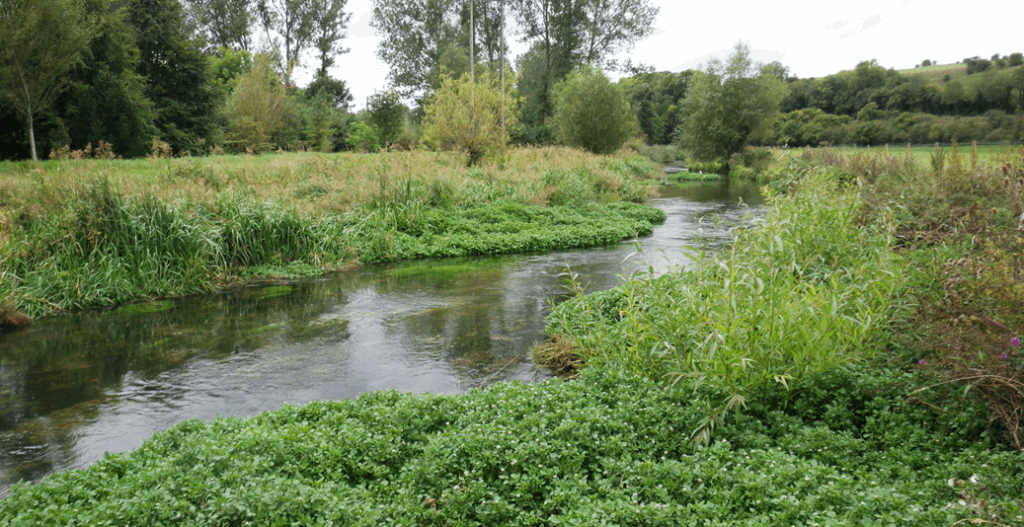
The Peñas Blancas River originates in the Tilarán Mountain Range and flows north to merge with the Fortuna River. Along its 9 km stretch accessible to float tours, it passes through lush rainforest—home to tropical tree species like balsa and rubber—and supports a corridor of fauna that thrives along its banks.
The shaded canopy and quiet water attract sloths, howler monkeys, basilisk lizards, iguanas, herons, toucans, kingfishers, owls, long-nosed bats, and American crocodiles. Observers often spot wildlife within just a few meters. The ecosystem also serves as a natural bridge between highland and lowland habitats, sustaining migratory birds and key species for broader biodiversity preservation (Two Weeks in Costa Rica).
Real-World Example Safari Float Experiences
Green Vacations Costa Rica Safari Float
This operator offers half‑day floats with small groups led by passionate bilingual guides. Wildlife commonly sighted includes howler monkeys, toucans, sloths, iguanas, herons, and the elusive Costa Rican tayra (a weasel-like mammal). Guides paddle close to the bank to allow better viewing and photo opportunities. The tour ends at a local ranch where guests sample fresh fruit juice and traditional snacks. The emphasis here is on local storytelling, natural history insights, and a personalized atmosphere (Bucketlist Bri).
Canoa Aventura Wildlife Safari Float
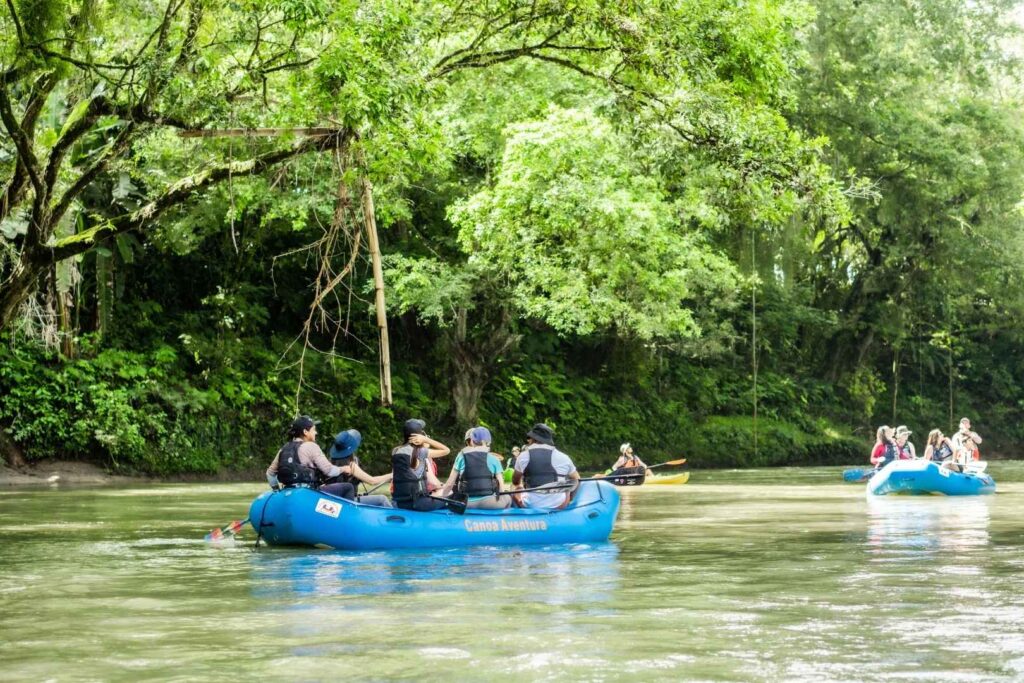
Known for its well-trained guides and flexible kayak options, this operator offers both raft and kayak formats. Tours focus on wildlife spotting, including monkeys, birds, caimans, and reptiles. The silent glide allows animals to remain relaxed and visible. The itinerary includes educational narration and a cultural stop for refreshments. Groups remain small to preserve intimacy and environmental sensitivity (viator.com, maquiqueadventure.com).
Wave Expeditions Nocturnal Safari Float
A nighttime version offers unique wildlife with the help of guide‑controlled lighting. Guests may see sleeping birds, bats, nocturnal monkeys, and caimans. This tour offers a different sensory experience—under moonlit rainforest, hearing the long‑nosed bats or owls—and includes traditional nighttime snacks at a local farm. It’s ideal for families or couples seeking a calm evening immersion (WAVE Rafting).
How Technology Enhances the Experience of Safari Float
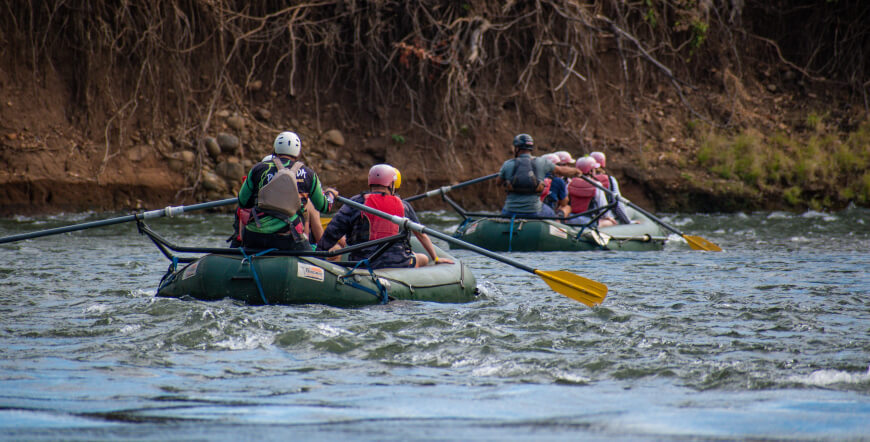
While the Peñas Blancas Safari Float emphasizes natural immersion and low-impact exploration, several subtle but powerful technologies quietly enhance the overall experience for both travelers and conservation efforts.
1. Mobile GPS and Wildlife Logging Apps
Many tour guides now use GPS-enabled mobile devices with apps like iNaturalist, Merlin Bird ID, or Seek. These allow them to:
-
Mark animal sightings with geo-tagged accuracy.
-
Share real-time data with global citizen science databases.
-
Identify less common species on the spot, such as the rare rufous-tailed jacamar or green basilisk.
Some operators even encourage guests to log what they see—creating an interactive, educational activity that enhances wildlife appreciation while contributing to broader ecological knowledge.
2. Solar-Powered Charging Stations and Devices
To maintain sustainability, some safari float operators use solar-powered battery packs or portable charging banks to:
-
Keep communication tools and safety radios active.
-
Power GPS trackers and mobile field guides during the float.
-
Minimize dependence on fossil-fuel-powered generators or electricity from the grid.
This ensures that the operation remains ecologically sound while still providing essential digital support for safety and learning.
3. Underwater and Motion-Activated Camera Traps
In collaboration with local conservation initiatives, certain sections of the Peñas Blancas River are monitored by underwater and trail-side motion cameras. These tools:
-
Capture footage of nocturnal or elusive species (e.g., tayras, ocelots, or river otters) not typically seen by day tourists.
-
Help guides explain complex behaviors using visuals on tablets before or after the tour.
-
Support wildlife density tracking for long-term biodiversity studies in the region.
Select operators offer short preview clips from these cameras at the ranch house after the float, deepening the connection between guests and local wildlife.
4. Digital Binoculars and High-Resolution Cameras
Some guides are equipped with digital binoculars or super-zoom bridge cameras to help guests spot far-off animals, like:
-
A three-toed sloth is hiding high in the trees.
-
A king vulture is flying above the canopy.
-
A long-nosed bat roosting on the underside of a branch.
Guests who don’t bring their equipment benefit from these enhanced optics, and photos are often shared via WhatsApp or email post-tour.
5. Augmented Reality Nature Guides (Pilot Programs)
In early stages, a few Costa Rica operators are experimenting with augmented reality apps that overlay species info when aimed at animals or plants via smartphone camera. While not widely used yet, this tech could allow guests to:
-
Learn about species’ diets, habitat, and conservation status live.
-
Hear sounds or calls of the animal through the app.
-
View 3D models of animals for better identification, especially when species are hidden or partially obscured.
Benefits for Visitors
Accessible and Gentle Nature Experience
Spectacular wildlife seen from a seated raft, with minimal physical effort, makes this ideal for families, seniors, or those seeking low‑impact natural immersion. No prior paddling skill is needed; guides steer most of the time (MytanFeet, MytanFeet).
Silent, Non‑Motorized Approach
The absence of engine noise keeps wildlife calm and active. Monkeys may come closer, birds remain undisturbed, and caimans bask openly—creating authentic observation moments often missed in motorboat tours (MytanFeet, Wetu).
Educational Depth from Expert Naturalists
Bilingual guides share insights on local species, ecological interdependencies, indigenous crop use, and conservation threats. This enhances awareness of rainforest systems and provides meaningful travel rather than passive sightseeing (costa-rica.com, Two Weeks in Costa Rica).
Cultural Connection through Local Interaction
The mid‑tour stop at a local ranch offers homemade snacks and dialogue with host families about farming, traditional recipes, and forest life. These interactions support rural livelihood and give travelers context about Costa Rican traditions.
Use Cases: Real-Life Benefits of the Safari Float
Family Ecotourism with Young Children
Families with children aged four and above find the float manageable, enriching, and enjoyable. Snacks and short duration keep children engaged. Wildlife sightings so close bring nature education to life without exhausting long hikes.
Eco-conscious Travelers and Responsible Tourism
Visitor groups seeking low-carbon, low-disturbance experiences benefit from solar support, non-motorized rafts, small group sizes, and local community involvement. Visitors leave minimal impact while supporting conservation-minded operators.
Nature Photography without Artificial Disturbance
Photographers and wildlife observers achieve candid animal images thanks to the quiet paddle and unspoiled vantage points. The consistent lighting under a jungle canopy helps capture vivid greens, water reflections, and animal behaviors.
Species and Ecological Learning Travelers
Guests interested in birding, amphibians, or reptiles can study species like long‑nosed bats, basilisk lizards, kingfishers, or poison arrow frogs using logs and guidance from expert guides, turning the float into both adventure and field study.
Frequently Asked Questions (FAQ)
What wildlife can I expect to see during the Peñas Blancas Safari Float?
Typical wildlife includes howler and capuchin monkeys, sloths, iguanas, basilisk (“Jesus Christ”) lizards that run across water, herons, kingfishers, toucans, long‑nosed bats, cai, mans, and sometimes tayra. Nocturnal tours may reveal sleeping birds and bats.
Is the safari float suitable for children or people with mobility limitations?
Yes. The river is calm (Class I), and guests remain seated in stable rafts or kayaks. Life jackets are mandatory, and guides are with them on board. Children from ages 3–4 can participate; seating is comfortable, and short breaks are included.
What should I bring on the safari float tour?
Bring light, quick‑dry clothing, sun protection (hat, sunscreen), insect repellent, camera or binoculars, and a waterproof bag. Closed‑toe shoes are not necessary; comfortable sandals suffice. Water and snacks are provided by most tours.