Nestled just 30 minutes from La Fortuna, Costa Rica, the Peñas Blancas River Safari Float offers a gentle, scenic journey through rainforest corridors teeming with wildlife. Floating on inflatable rafts or kayaks, guests drift through lush canopy zones guided by bilingual naturalists who point out howler monkeys, sloths, caimans, iguanas, toucans, and even the shimmering Jesus Christ lizard without disturbing their habitat.
More than a sightseeing tour, this safari float combines ecological insights, relaxed movement, and cultural immersion to create a memorable half‑day adventure. This article explores river ecology, wildlife diversity, real operator case examples, technological enhancements, benefits for travelers, real-life use cases, and a final FAQ section.
Why the Peñas Blancas River Safari Float is Unique
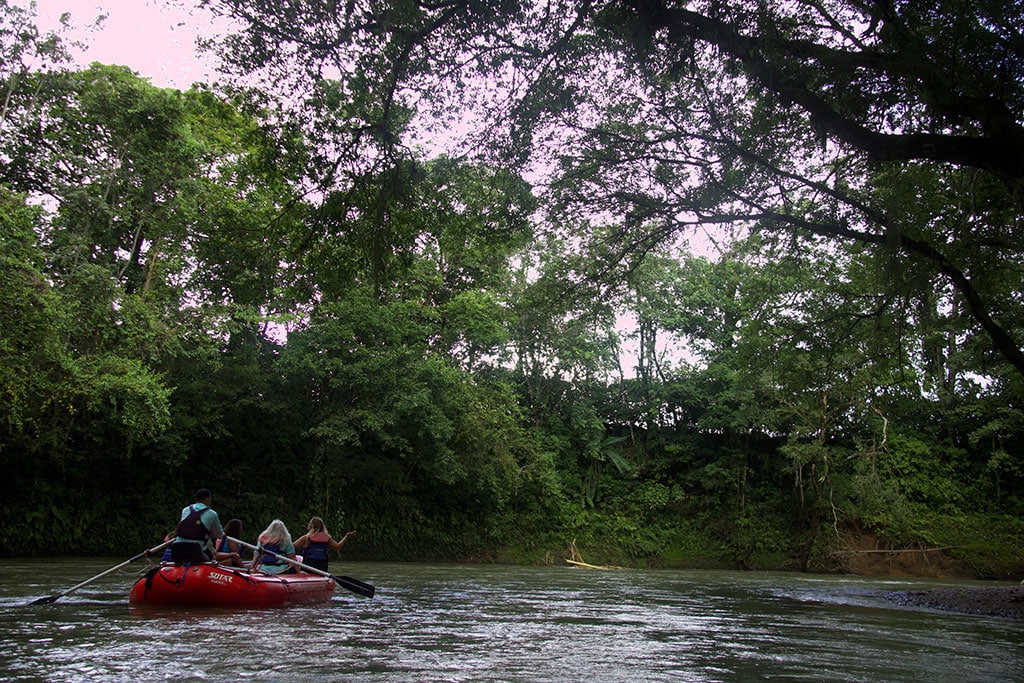
Peñas Blancas River flows from the Central Volcanic Mountain Range into the San Carlos plains, offering stretches of calm water ideal for float tours. Rated Class I, the river’s gentle flow means minimal paddling is needed—rafting is mostly effortless with guided steering. Guests sit in inflatable rafts seating up to six or in tandem kayaks, wearing life jackets as they glide alongside rainforest edges alive with biodiversity. The silence of non-motorized vessels creates an immersive experience where wildlife appears relaxed and curious rather than spooked (MytanFeet).
Guides often gather at scenic riverside ranches, sharing local stories, tropical fruit juice, snacks like fried plantains and yuca bread, and information about coffee, cacao, and sugar‑cane agriculture. This adds cultural context to the wildlife experience, supporting local economies in the process (MytanFeet).
River Ecology and Wildlife Diversity
Peñas Blancas flows through protected forest zones and agricultural land, naturally filtering runoff and supporting a corridor ecosystem. The mid-to-lower river zones lie within the Peñas Blancas Wildlife Refuge, part of Costa Rica’s Central Pacific Conservation Area, conserving roughly 24 km² of rainforest habitat (Viator, Wikipedia). This region is a crossroads for migratory birds and terrestrial species moving between higher elevation cloud forests and lowland plains.
Common wildlife sightings include white-faced capuchin monkeys, howler monkeys, two-toed sloths, iguanas, river turtles, caimans or American crocodiles, and basilisk lizards that exhibit water-walking behavior. Birdlife includes toucans, kingfishers, herons, egrets, osprey, and tanagers. Occasionally, visitors spot tayras, bats, or sleeping porcupines, especially early in the day.
Real‑World Example Safari Float Experiences
Green Vacations Costa Rica Safari Float
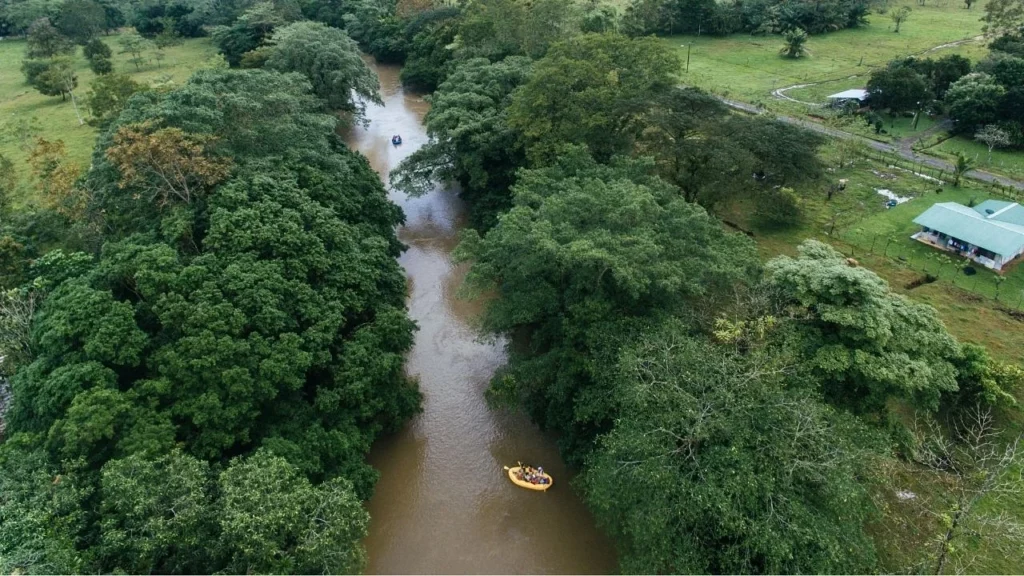
Guests travel a short distance from La Fortuna before boarding inflatable rafts led by bilingual naturalist guides. Wildlife sightings commonly include howler monkeys, toucans, sloths, a matrix of birds, caimans, and even a tayra weasel in action. Guides paddle close to riverbanks to optimize visibility. The experience ends with fresh fruit juice and homemade snacks at a local ranch, complemented by storytelling on local farming and conservation (Bucketlist Bri&l<).
Canoa Aventura Wildlife Safari Float
Offering both raft and kayak options, this operator emphasizes small-group tours for maximum intimacy. Tours focus on spotting monkeys, sloths, reptiles, and birds quietly from the raft, using gentle steering and observation. Guides pause frequently for photos and narrative, and end the tour with cultural refreshments and local agricultural explanations (MytanFeet).
Two Weeks in Costa Rica Group Safari Float
This well-reviewed group tour follows a similar itinerary: calm floating, wildlife observation, and a mid-tour ranch stop serving homemade tortillas, coffee, and cacao demonstrations. The operator offers both raft and kayak options, accommodating children (from age 3 for rafts) and varying fitness levels.
Enter Costa Rica Safari Float
Referring to it as the “Monkey Tour,” this experience includes guided floating through rainforest, professional bilingual guides, wildlife spotting including sloths and toucans, plus a zero-plastic policy refilling reusable bottles at ranch stops. Tour duration is 4.5–5.5 ho,urs including hotel transport (entercostarica.com).
How Technology Enhances the Experience
While safari float tours are renowned for their peaceful immersion in nature, modern technology plays a quiet but impactful role in enhancing safety, engagement, and education. These experiences are increasingly supported by innovations that improve how we interact with the environment without compromising the serene and sustainable character of a float safari.
Wildlife Recognition and Learning Tools
One of the most valuable technologies in modern float safaris is the use of wildlife recognition apps and AI-driven field guides. Apps such as iNaturalist, Merlin Bird ID, and Seek allow guides and guests to instantly identify flora and fauna using mobile devices. These tools provide educational context about species behavior, conservation status, and even calls or songs of birds.
With real-time recognition, visitors are no longer passive observers; they become active learners. Guests can capture images, upload sightings to global conservation databases, and even contribute to citizen science efforts during the trip. This level of interactivity enhances the educational quality of the safari float without disrupting its natural rhythm.
GPS Tracking and Ecological Mapping
Guides often utilize GPS trackers or digital mapping tools to follow specific float routes and to log sightings of rare or endangered species. This is particularly useful in biodiverse zones such as Costa Rica’s Peñas Blancas River, where animal movements can be unpredictable.
Tracking tools help guides pinpoint hotspots where monkeys, iguanas, toucans, or caimans are frequently spotted, refining the guest experience over time. This ecological mapping also contributes to long-term conservation strategies by documenting behavioral patterns in specific zones.
Such tools are quietly integrated; guests may not even notice their presence—yet they have a powerful influence on the accuracy and quality of each tour.
High-Resolution Optics and Digital Cameras
Spotting a sloth in the canopy or a crocodile on the riverbank is often only the beginning. Safari float operators now rely on digital binoculars, telescopic cameras, and smart scopes to enhance distant viewing.
Some digital binoculars even allow images or live previews to be shared on mobile screens or tablets, ensuring every guest, regardless of seating position, gets a close look. Additionally, DSLR and mirrorless cameras with zoom lenses enable guides to take high-quality photos that they can later share with guests or use for documentation.
These tools help bridge the distance between the observer and the observed, without disrupting the quietude of the environment.
Communication and Safety Systems
Although a safari float is a tranquil journey, it still requires safety precautions. Many operators employ two-way radios, satellite communicators, or mobile mesh networks to stay connected with base stations.
In areas where cell service is limited, satellite devices like Garmin InReach or Zoleo provide essential SOS functionality and weather updates. These systems enable guides to coordinate logistics, receive weather alerts, and, in rare cases, request emergency support.
Solar-Powered Gear for Sustainable Charging
Safari floats that span several hours or remote locations benefit from solar-powered chargers and portable power stations. These devices can recharge communication tools, phones, cameras, and even water-purifying units without relying on fuel or generators.
Guides who operate multi-day tours or combine river floats with jungle treks often rely on these devices to maintain operational capability without damaging the environment they seek to protect.
Benefits for Travelers
Low-effort but high-reward wildlife observation
Ideal for families, seniors, and those wanting a slow-nature experience. Guests remain seated and comfortable, seeing abundant wildlife within feet of the raft.
Quiet immersion in nature
No engine noise ensures wildlife stays relaxed, enabling closer views. The only soundtrack is bird songs, monkey calls, and gentle water flow.
Educational engagement
Guides explain species behaviors, rainforest ecology, and conservation issues. The ranch visit introduces local agriculture, reinforcing environmental awareness.
Cultural connection and support
By visiting a local family’s ranch for refreshments, travelers supthe port small-scale local economy and gain insight into rural Costintoan life.
Eco-conscious travel
Many operators follow zero-plastic policies, carry solar-powered devices, and ensure minimal disturbance to animals and habitat.
Practical Scenarios for the Peñas Blancas Float

Family sightseeing with minimal strain
For families with young children as young as three, the float is accessible and engaging. The mix of wildlife, snacks, and na
True education makes it suitable for varied ages.
Nature enthusiasts seeking close observations
Visitors interested in birdwatching or amphibian/reptile spotting benefit from the proximity to wildlife and expert naturalist commentary.
Eco-tourism advocates prioritizing sustainable travel.
Travelers who value conservation appreciate non-motorized floats, small group sizes, solar support, and local economic involvement.
Photography and field studies
Photographers and observers find excellent photo ops thanks to calm waters, shaded lighting, and close encounters. Researchers can use the app-based logging for species tracking.
Frequently Asked Questions (FAQ)
1. What kinds of wildlife are typically visible on the Peñas Blancas River Safari Float?
Visitors commonly see howler monkeys, white-faced capuchin monkeys, sloths, iguanas, basilisk lizards (walking on water), herons, toucans, kingfishers, caimans or crocodiles, turtles—and occasionally ta, ras, sleeping porcupines, or bats.
2. Is this tour suitable for children or guests with limited mobility?
Yes. The river is calm, and the rafts are stable. Life jackets are mandatory, and boarding assistance is provided. Children from age 3 (raft) and 5 (kayak) can participate. The half-day duration and rest stops make it accessible for older or younger travelers.
3. What should I bring with me for the safari float?
Bring light, breathable clothing, insect repellent, sun hat, sunscreen, camera or binoculars, reusable water bottle, aa nd waterproof bag. Closed-toe shoes are optional, as sandals are fine.